Most people first met us through TheFireStore.com.
If you’ve known us since the early days, you might remember GearMasters (’94) or HelmetPartSource.com (’96). By 1999, TheFireStore.com became the name most firefighters recognized, because back then it was unusual—almost unheard of—to buy fire gear online.
But here’s the truth: the website was never the whole story—just a chapter.
We started online. What’s been happening behind the scenes since the early 2000s is what made us who we are today—a full-scale sales and service organization with deep roots in the fire service, built by people who know what it means when the tones drop.
This is that story.
ROOTS IN THE FIRE SERVICE
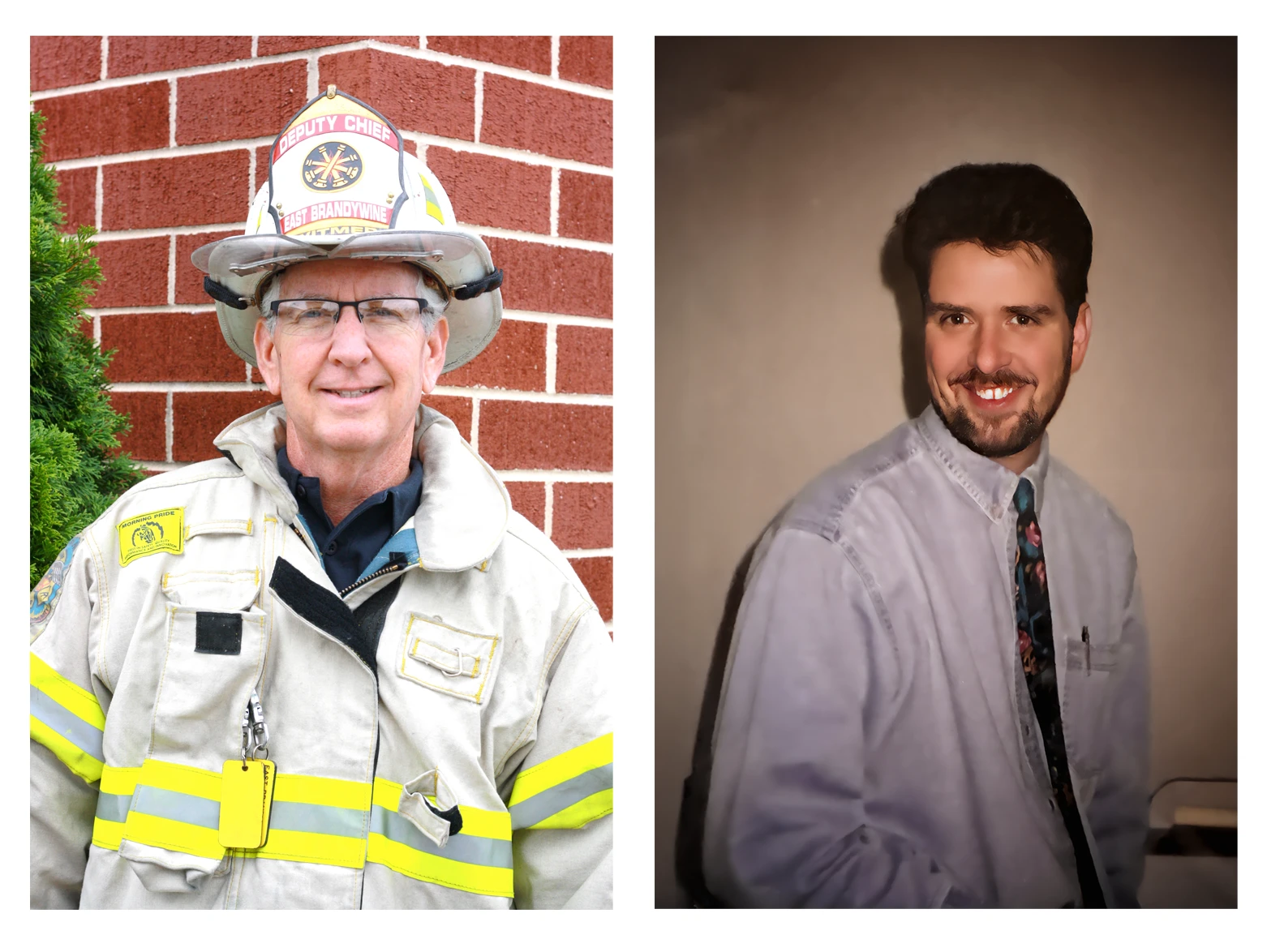
The Witmer family’s connection to the fire service goes back generations.
Jim and Greg Witmer grew up with stories that weren’t abstract. Their grandfather was a firefighter in Claymont, Delaware. In their family, the firehouse wasn’t just a building you drove past. It was part of life.
Jim carried that forward as a volunteer firefighter, serving at Rose Tree, then Bon Air, and later East Brandywine. The fire service influence wasn’t something layered on later as brand positioning. It shaped the earliest products and the earliest habits of the company—practical ideas, built by hand, made to work.
One story gets told often because it’s true and it captures that spirit: the original wooden chocks for the first Wack Packs were cut and painted by Jim and Greg’s father, Bill Witmer. Those early packs were assembled by the family at home—not as a sentimental origin myth, but because that’s what it took to get it done.
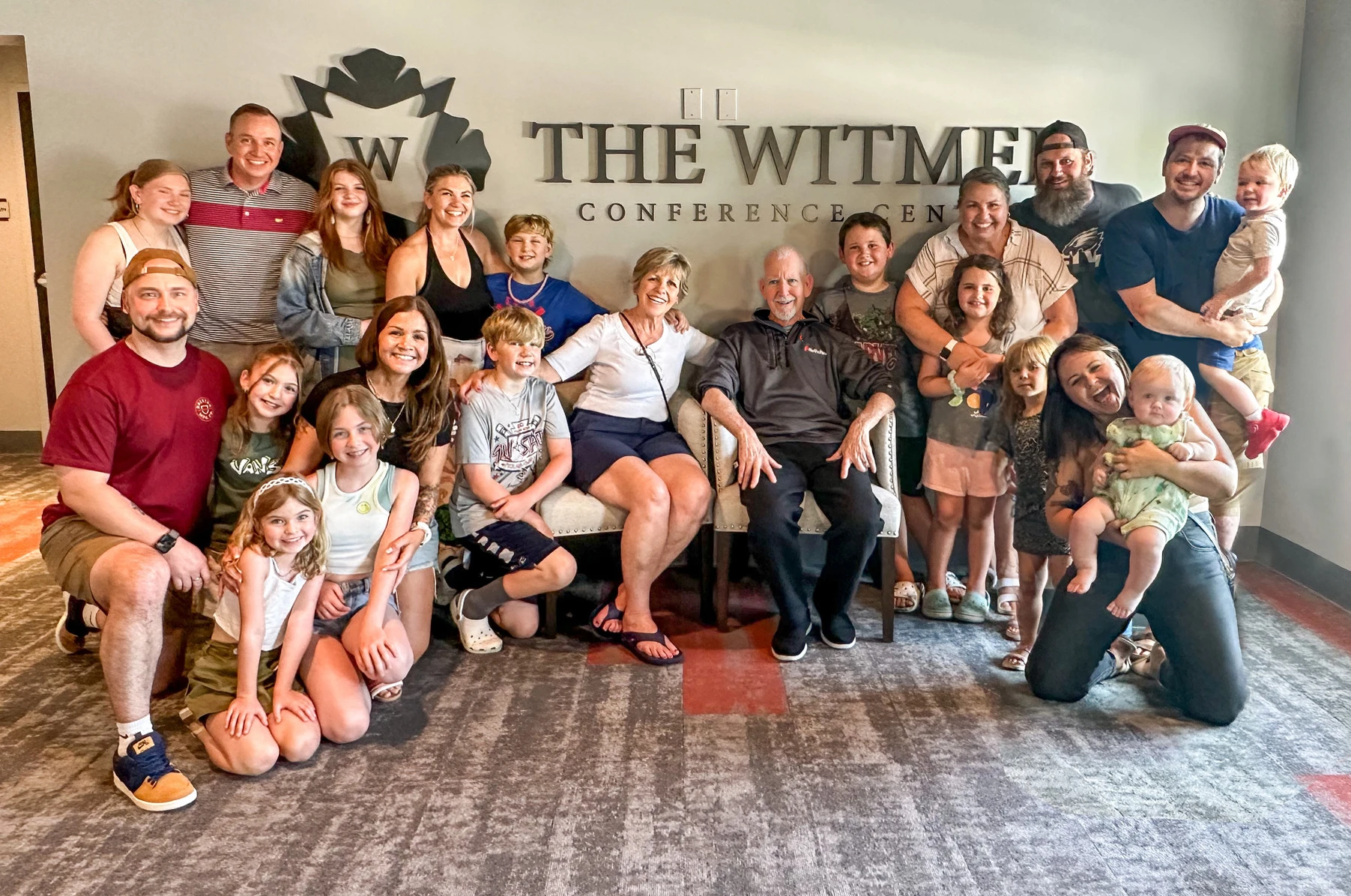
As the company grew, family stayed involved.
Jim’s children—James, Susan, Katie, and Stephen—all worked in the business at different times over the years. Several in-laws spent time in the company as well, including Keshet (James’ wife) and Declan (Katie’s husband). Greg’s wife, Peg, helped design some of the original logos. Greg’s son, Gregory, worked in the company after Greg passed from cancer in 2002. Ruth, Jim’s wife, worked in the business for more than thirty years and continues to help out even in retirement.
The next generation didn’t drift away from the fire service. Today, Greg’s son Gregory and two other nephews, Todd and Andrew, serve as firefighters.
That context matters because the fire service isn’t our audience. It’s our community.
BEFORE THE WORLD KNEW THEFIRESTORE.COM
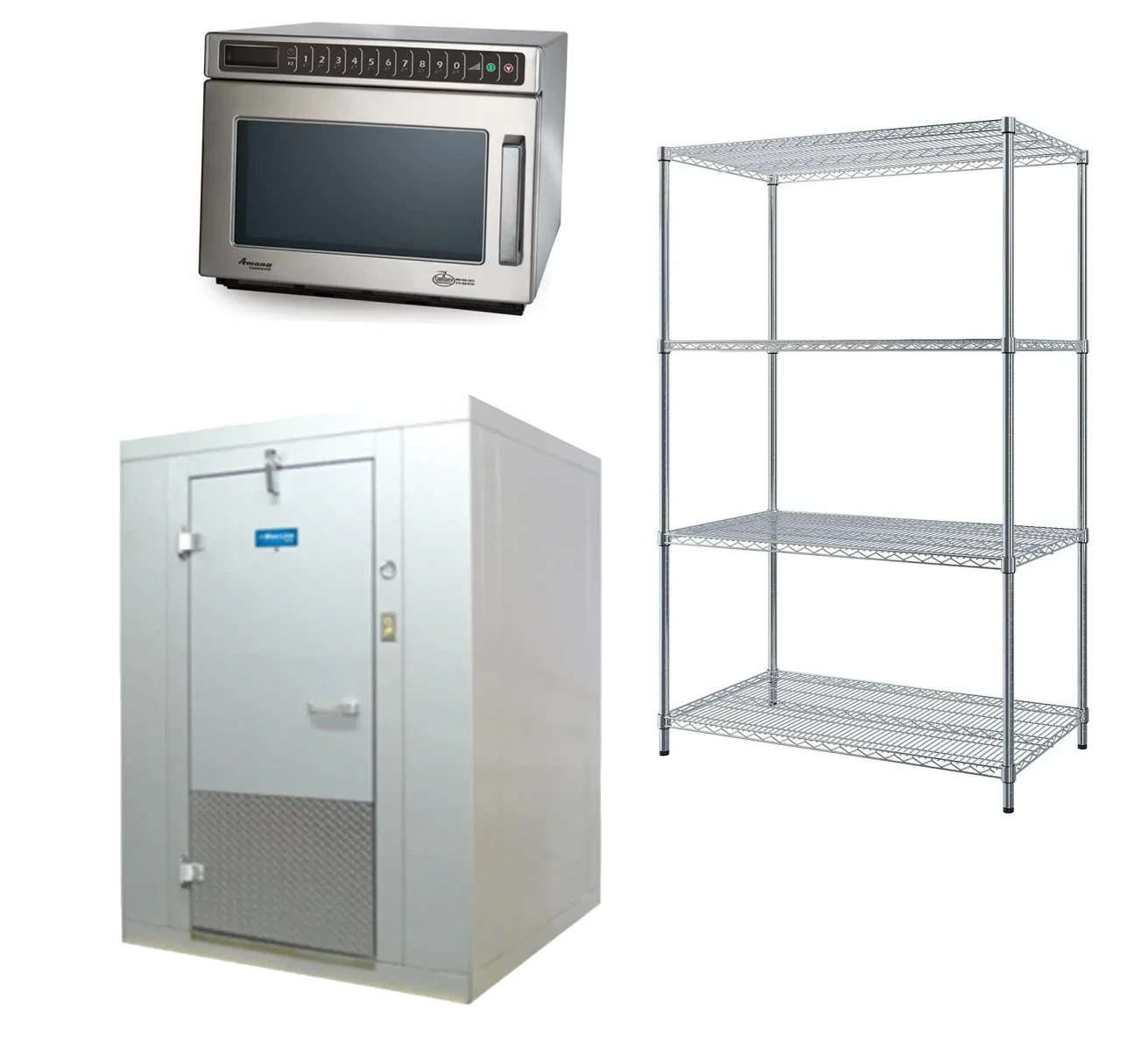
Long before TheFireStore.com—before helmet parts, before SCBA conversions—Jim Witmer was an independent manufacturer’s representative in the restaurant equipment industry.
The business was called Witmer Associates, Inc., a manufacturer’s representative firm with defined territories. To work around those limitations, Jim and Greg created a secondary business—P & R Products, named for Peg and Ruth. Through P & R, they could rework products and sell them beyond the boundaries that would have otherwise constrained them.
Together, they represented heavy-duty commercial kitchen equipment—ovens, refrigeration systems, walk-in coolers—the infrastructure behind restaurants that most people never see but every operator depends on. They knew the products, the territories, and the grind of distributor relationships.
Jim was relentless about getting “in the door.” He believed that if he could just get a meeting, he could win a sale.
One story from those years captures that mindset. There was a corporate restaurant chain he was trying to break into. Calls weren’t returned. Meetings weren’t scheduled. So one morning, Jim and Greg showed up at the office when it opened—with a cooler.
They asked for the sales manager. He wasn’t available. They said they’d wait.
After sitting in the lobby for a while, they opened the cooler and cracked open beers. Mid-morning. In the lobby.
The sound carried through the office. Heads turned. People gathered. Eventually the sales manager came out—partly to stop the spectacle—and they got their meeting.
They won the account.
It wasn’t recklessness. It was a refusal to accept “no” when they believed they had something valuable to offer.
That mindset carried forward.
GEARMASTERS: THE FIRST FIRE PIVOT
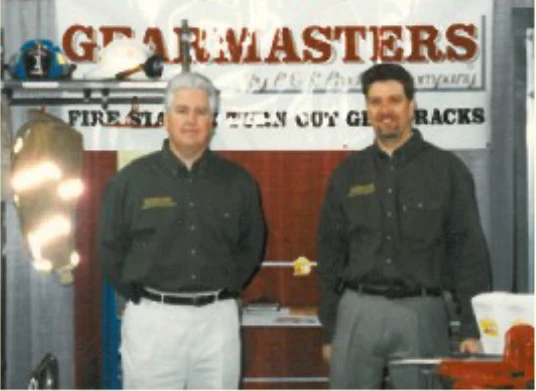
Jim had always been a volunteer firefighter. The firehouse was already part of his life long before it became part of the business.
In the early ’90s, while walking the aisles at the PA Fire Expo, he stopped at the Groves Gear Racks display. Groves was using wire shelving for firefighter gear storage, taking advantage of the same basic principle that made wire shelving useful in walk-in refrigerators: airflow.
But something else caught Jim’s eye.
Groves had left the Metro Shelving logo on one of the racks.Jim knew Metro. It competed with the commercial shelving products he represented in the restaurant equipment business, and in Jim’s experience it was an inferior product, with a reputation for welds breaking under hard use. He immediately saw the opportunity. Firefighters were going to be much harder on this equipment than restaurant employees, and Jim believed the heavier-duty shelving line he already knew could take the abuse better.
The idea wasn’t to invent gear racking. It was to build a better version of it.
That insight led to GearMasters—the first fire-focused side venture Jim and Greg launched through P & R Products, which now jokingly stood for “Parts and Racks.” They marketed gear racking primarily through print ads in PA Fireman and Firehouse Magazine, not by calling on departments the way outside sales teams do today. It was a more passive model: the ads drove inbound calls, and Jim and Greg handled the response.
They also began experimenting with the internet. GearMasters had an early website—basic by today’s standards, but ahead of its time. Fire departments couldn’t place orders online yet, but they could browse products, understand how the systems worked, and then pick up the phone to call. Combined with print advertising, it became another way to generate inbound demand.
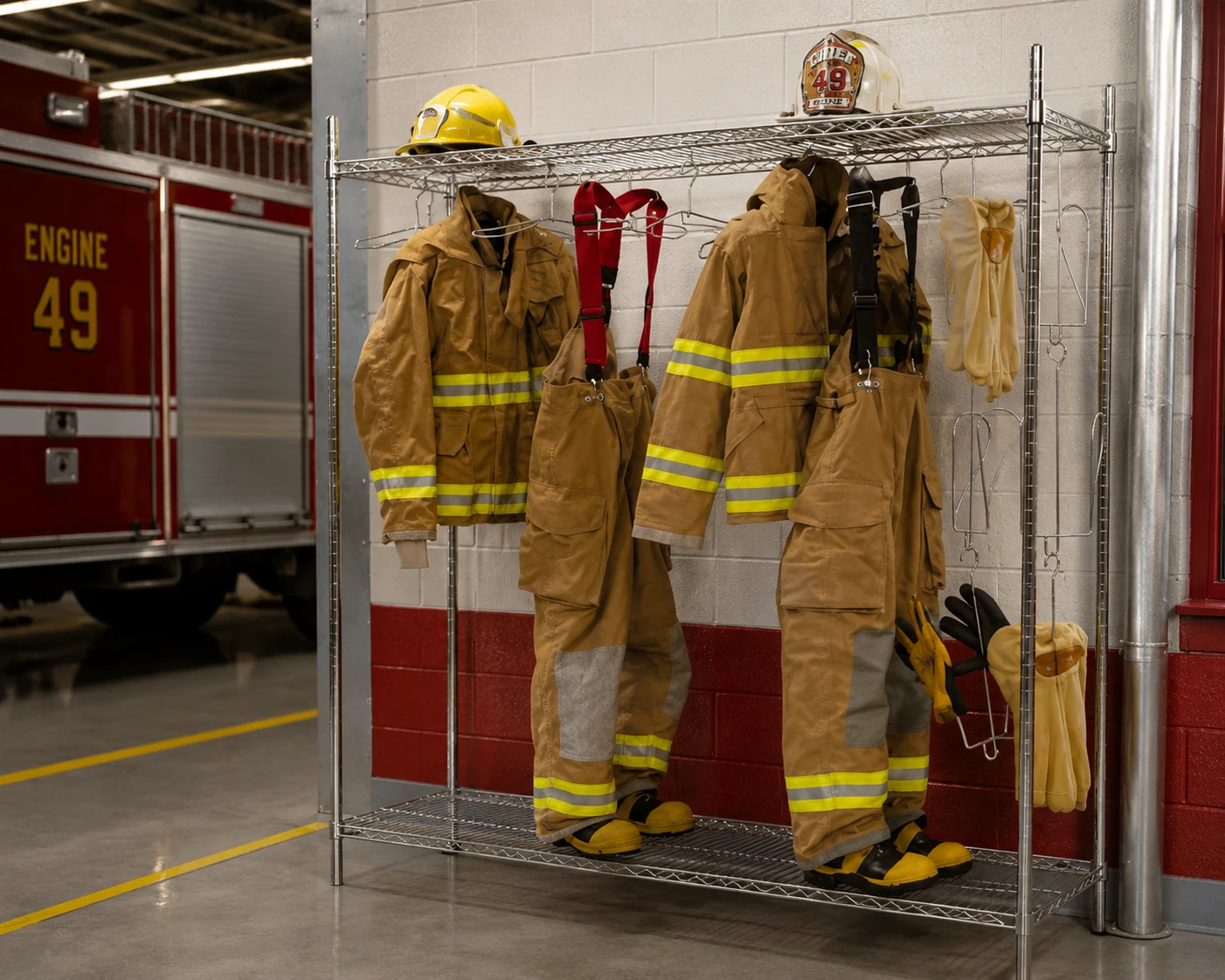
Jim also managed to get gear racks approved for use of PA Relief Association funds, which gave those early ads even more traction. They tried to avoid doing installations whenever possible, writing detailed instructions so departments could handle the setup themselves.
The agreement between them was simple: it would remain a side business until it could support their families. They had a saying: “$34K makes the restaurant service go away.” When monthly sales reached that point, they could afford to commit fully.
Eventually, it did. Jim and Greg shut down the restaurant equipment business and became full-time GearMasters operators.
But that was only the beginning of what they would sell to fire departments. Another opportunity revealed itself closer to home. While serving as chief at East Brandywine Fire Company, Jim was trying to issue a helmet to a new firefighter and realized parts were missing.
HELMET PARTS: THE OBSERVATION THAT CHANGED EVERYTHING
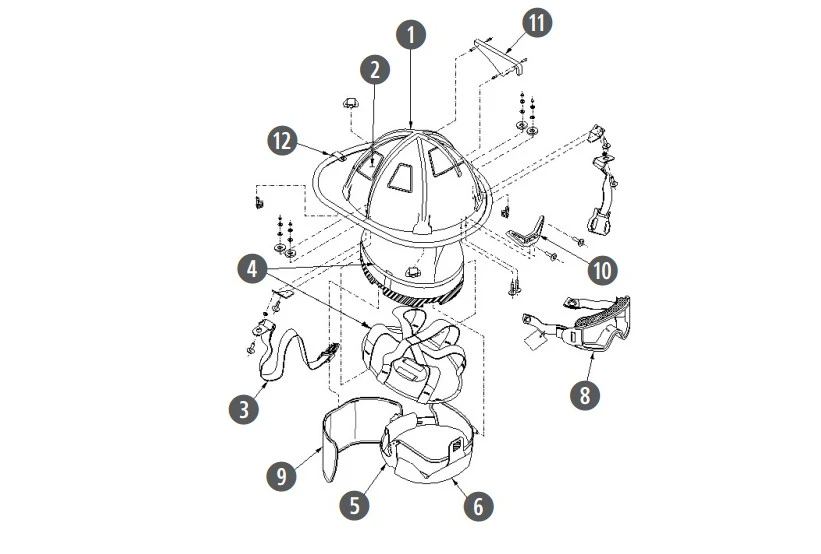
He learned that firefighters were stripping parts from new helmets to repair old ones. Jim asked why they didn’t just buy the parts directly from their local distributor?
The answer was straightforward: no company was selling helmet parts in a consistent, accessible way. They would rather sell a new helmet than help someone fix an old one.
So Jim approached Cairns to buy helmet parts directly. Surprisingly, they agreed to set him up.
That decision led to the creation of a second fire-focused business under the P & R Products umbrella: HelmetPartSource.
Jim and Greg followed the same script as GearMasters—print ads in Firehouse and PA Fireman magazines, early digital ads on Firehouse.com, and a content-rich website. But Greg had heard about “e-commerce” and pushed the idea further: instead of just informing customers online, why not let them buy directly?
That thinking led to HelmetPartSource.com—the company’s first true e-commerce platform. GearMasters had established an early web presence, but HelmetPartSource was built for click-and-order.
It was early. The web was not yet part of normal fire equipment distribution. But if departments were struggling to find parts locally, maybe they would search online.
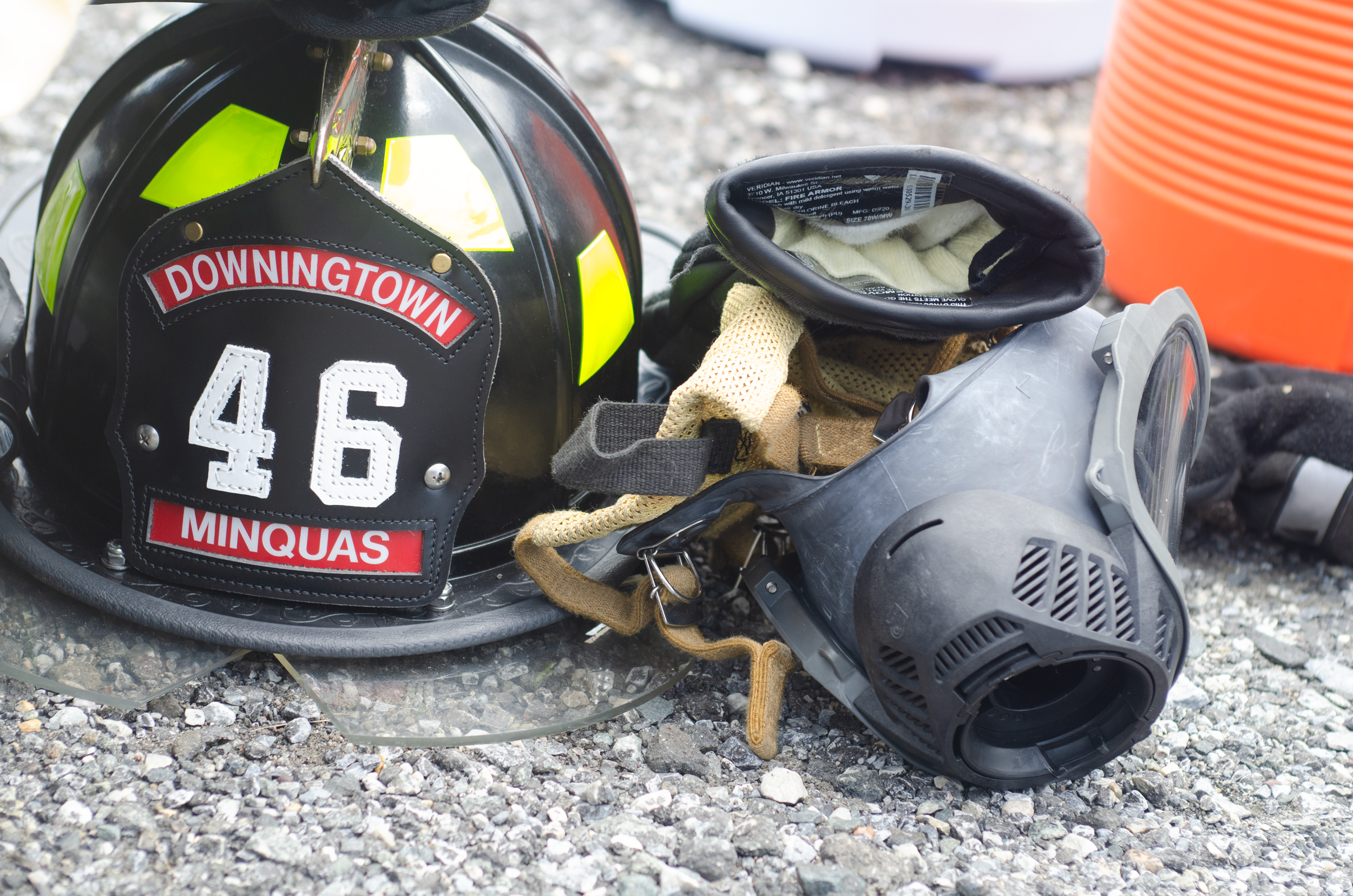
Sales grew quickly. Soon the requests started: “It’s great buying helmet parts online—can you sell us full helmets?”
Jim went back to Cairns and asked to sell complete helmets. The answer was immediate: no. Cairns had an existing distribution network to protect. For helmets, he was told to buy through distributors—including DP Fire & Safety in Delaware and Kevin Greenlee at All Safe.
So he did. HelmetPartSource began offering full helmets online, and sales continued to grow.
At one point, Pete Coombs from Cairns noticed something unusual: a small Delaware distributor was somehow selling more helmets than there were firefighters in the state. The volume, of course, was moving through Witmer’s online business. That realization helped open the door for HelmetPartSource to begin buying helmets directly from Cairns. They had proven the model and were now recognized as legitimate players in the fire equipment distribution market.
And the requests kept coming. Gloves. Boots. Hoods. Tools. Jim and Greg used their growing relationship with Cairns to secure direct relationships with other manufacturers.
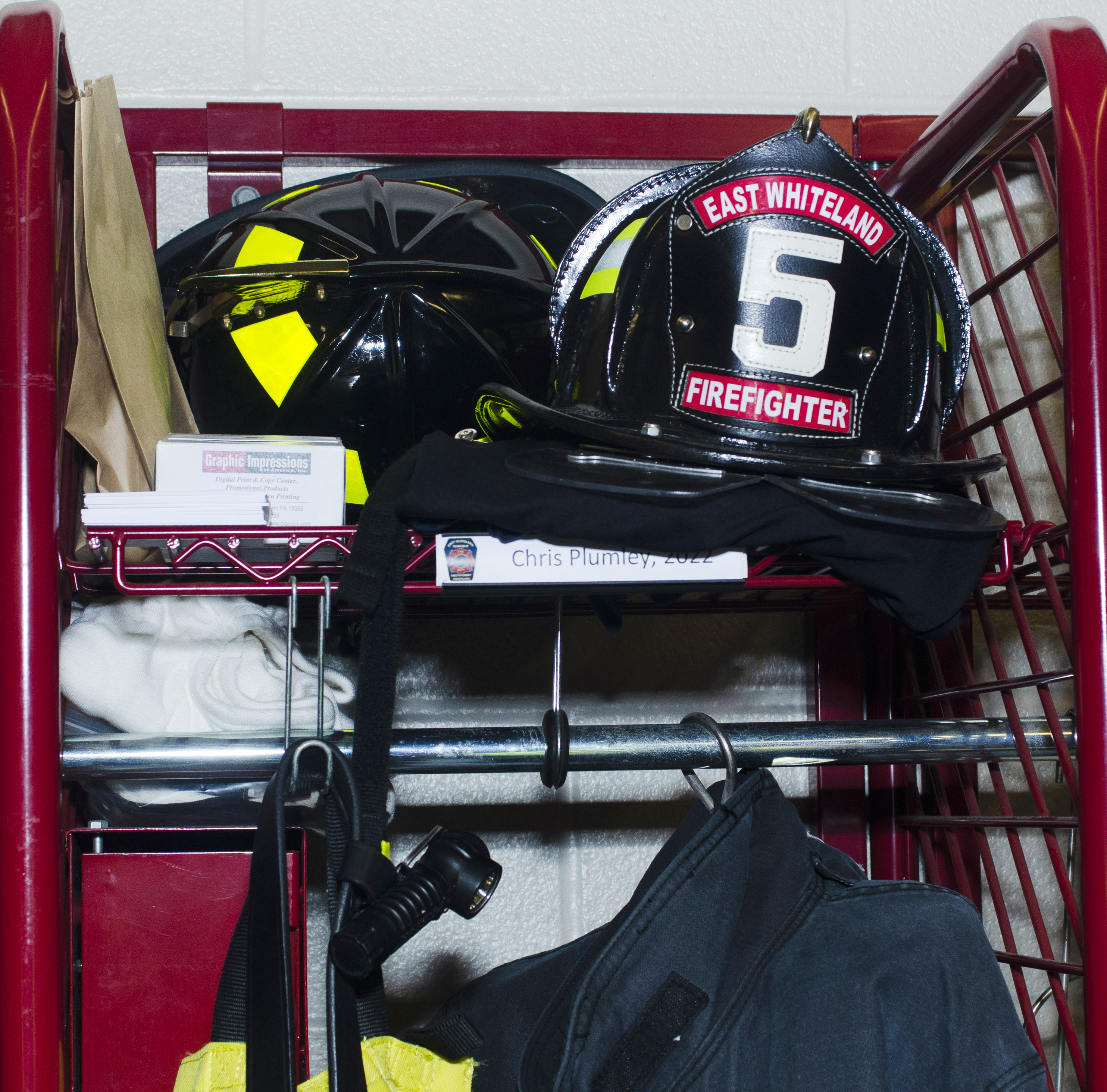
They weren’t bound by traditional territory. The internet made the entire country accessible. That shift—subtle at the time—changed the model.
With an expanding product line, Jim and Greg needed a new name for their online store.
In 1999, TheFireStore.com launched, with the tagline: “Everything But The Truck.”
It was early. It was different. It caught on.
But it also created a perception we’ve lived with ever since:
“Oh, you’re just a website.” We weren’t just a website. We were the first. And we became so much more in the years that followed.
THE LIQUOR STORE YEARS: SCRAPPY, CROWDED, AND REAL
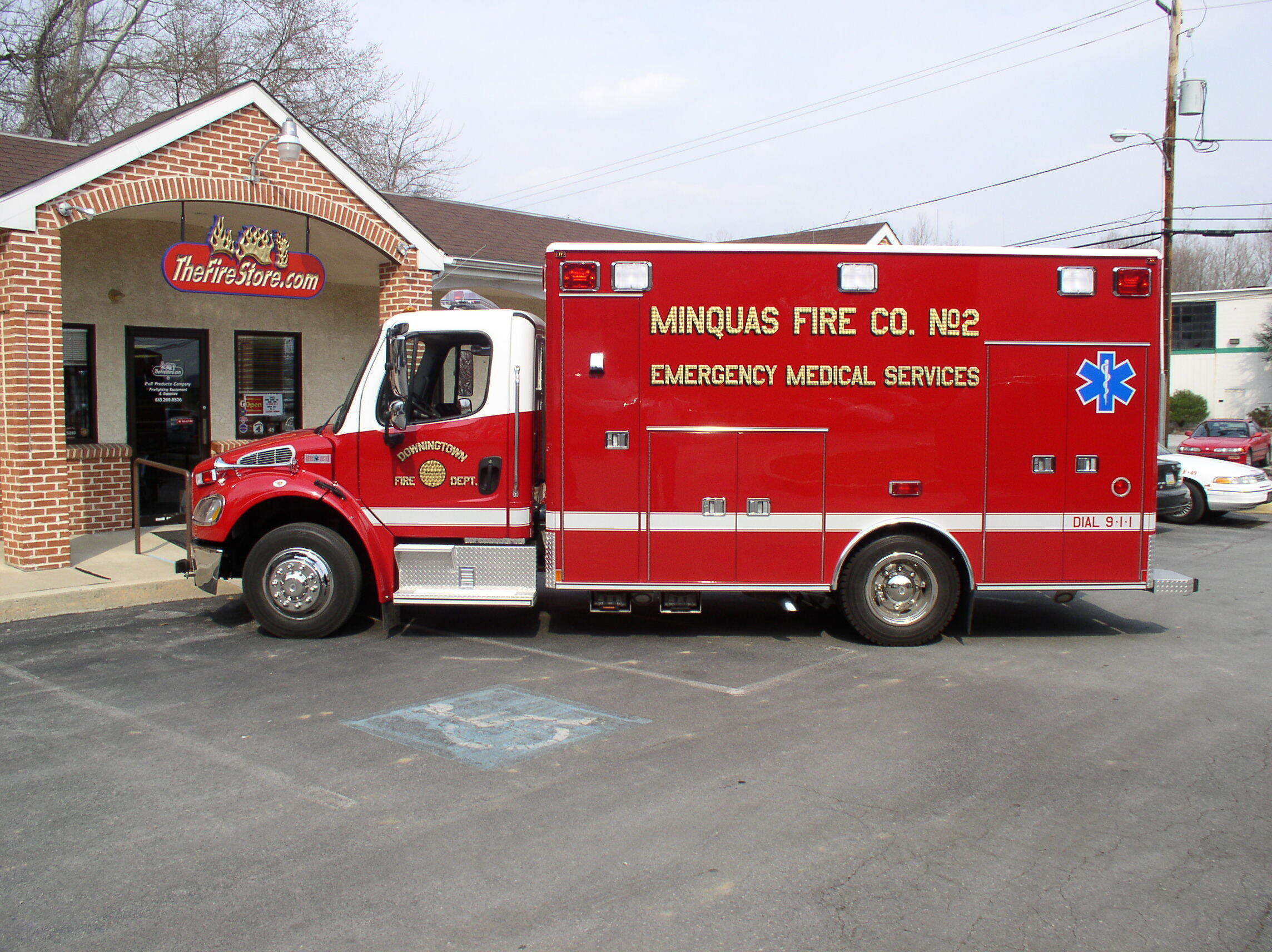
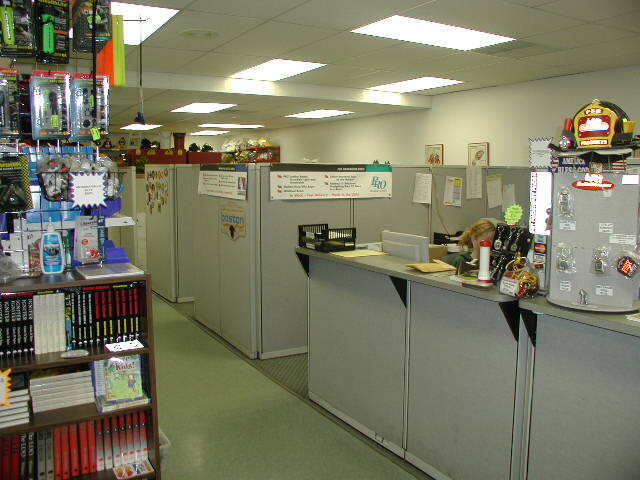
In the early 2000s, the company operated out of a small space in Downingtown, Pennsylvania—previously a liquor store. The Witmers used to laugh about former patrons wandering in looking for the vodka aisle.
It wasn’t glamorous. It was tight. It was noisy. It was growing faster than the walls could handle.
At one point, wires were literally running across the parking lot into space rented above a dentist’s office just to keep things operating. That’s what real growth looks like before infrastructure catches up.
Inventory became a constant problem. There wasn’t room for it, so it spilled into trailers and storage units—and not just one or two. By the time the company moved, inventory was spread across eight separate locations. If somebody needed something, you didn’t just check a bin. Sometimes you got in a truck, hitched a trailer, drove a few miles to one of the garages, and started digging through stacks with handwritten notes about where the leather helmets might be.
CFO Ann Collins, who started as a temp in 2004, remembers those days clearly:
“I had to sit at a typewriter desk and I shared that desk with another employee.”
She could only come in at certain hours because the desk was shared.On the financial side, the company was moving fast—but still operating like a family-run operation finding its way.
“I don’t even think Jim really knew what the income of the company was at that time.”
That isn’t a knock. It’s a snapshot of what happens when you have momentum, vision, and demand, but you’re still building the engine while driving.But not everything during that time was momentum and growth.Around 2000, Greg was diagnosed with a brain tumor. He fought it for several years, going through treatments and clinical trials as the business continued to expand around him.
He passed away in 2002.
Greg had been deeply involved in the early business—particularly on the marketing side—and his loss was felt well beyond the family. It left a gap at a time when the company was still finding its footing.
The business kept moving forward, but it did so without one of the people who helped build it.
THE LEAP: 104 INDEPENDENCE WAY (2005)
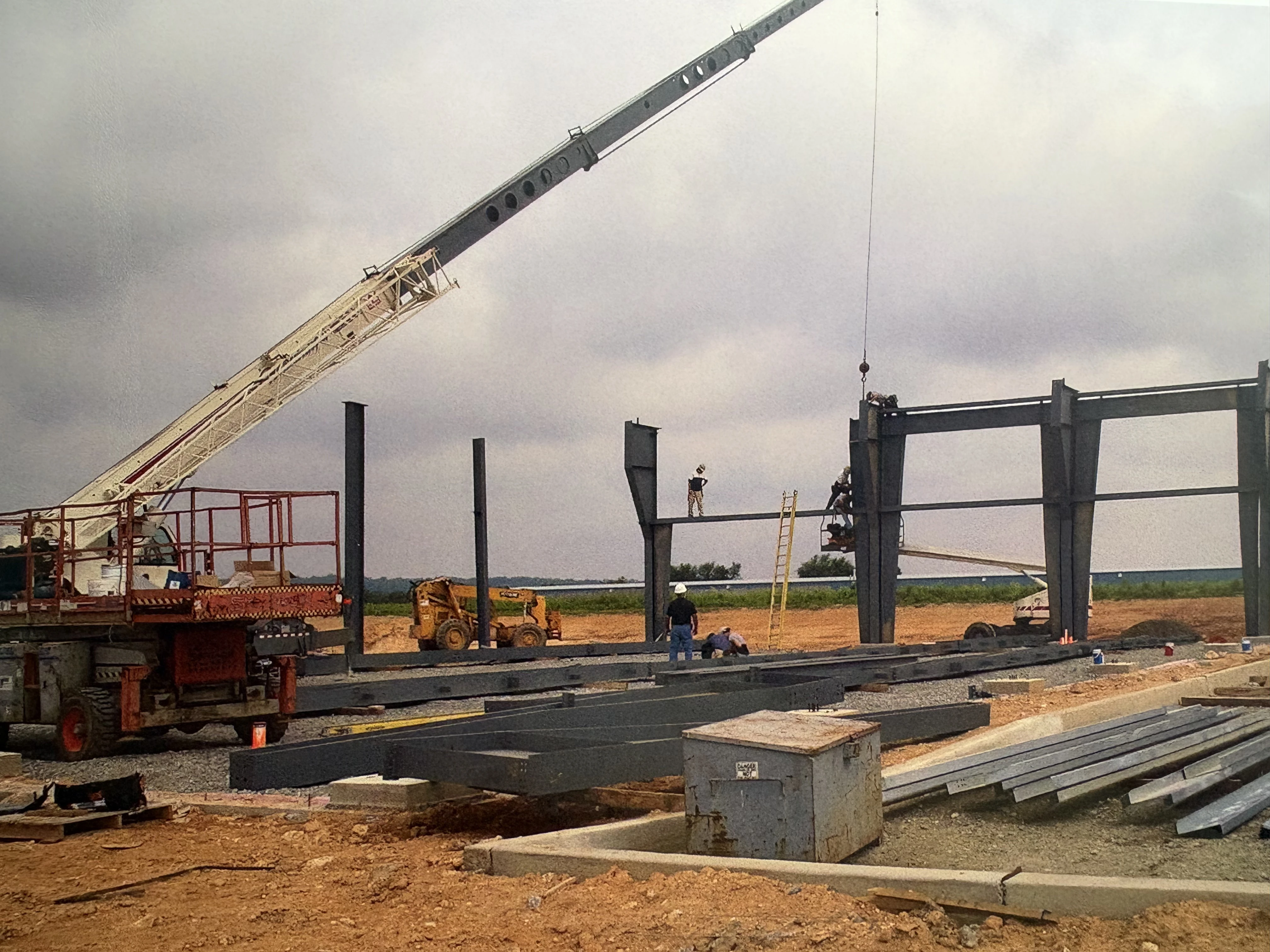
Greg’s passing in 2002 left more than a personal loss. It created a gap in the business—particularly on the marketing side—that needed to be filled.
Around that time, James returned from Oklahoma, where he had been working as an auditor for Deloitte & Touche, and joined the family business. He stepped into the role his uncle had played, taking over marketing and beginning to build out what would eventually become a much more sophisticated engine for growth.
The timing mattered.
The company was outgrowing the Downingtown space in every possible way. Inventory was scattered across multiple locations. Operations were stretched. The business had momentum—but no infrastructure to support what it was becoming.
Jim knew they needed something bigger. But he had no interest in moving into someone else’s building.
He wanted control—over the location, the layout, and the look of the place. He had a vision for what it should be, and he was determined to build it.
That meant scouting land, working through designs, and pushing the process forward however he could. He was still running the business, still deeply involved in the fire service, still raising a family—and somehow finding time to drive around looking at properties and meeting with architects.
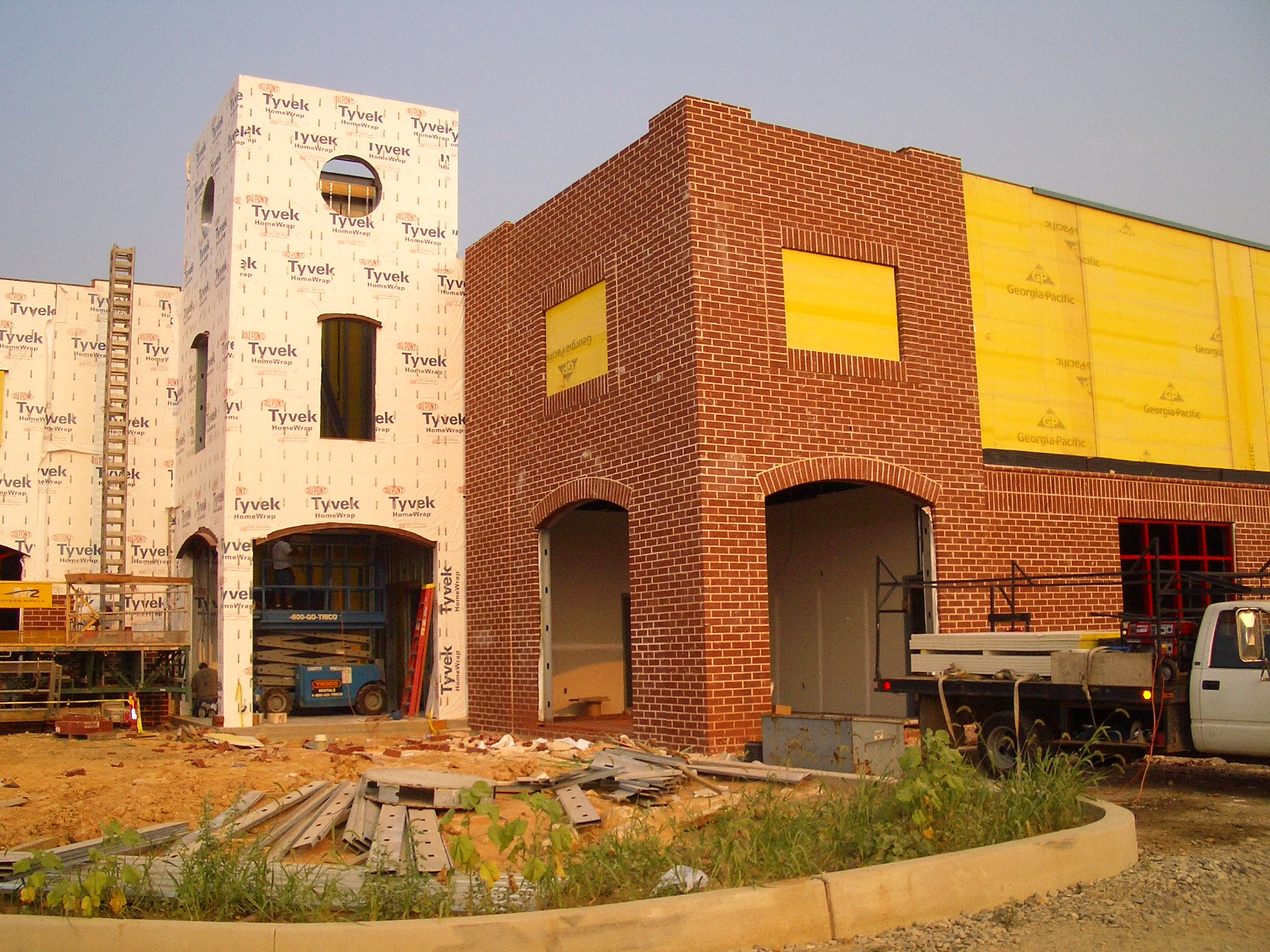
James remembers that pace clearly. His dad didn’t slow down. He didn’t delegate it away. He just kept moving.
There was a firehouse he admired—a newly built station with clean lines, red metal accents, and gooseneck lighting. That look stuck with him. It became the model.
He wanted the building to reflect the business—and the fire service behind it. It included office space, retail space, and an 18,000-square-foot warehouse designed for growth.
By 2005, that vision became real: 104 Independence Way in Coatesville.
Jim was drawn toward Coatesville partly because the land was more attainable than what they were seeing closer to Exton, but also because this site gave him more freedom to build what he wanted.
Ruth was understandably nervous about the financial commitment.
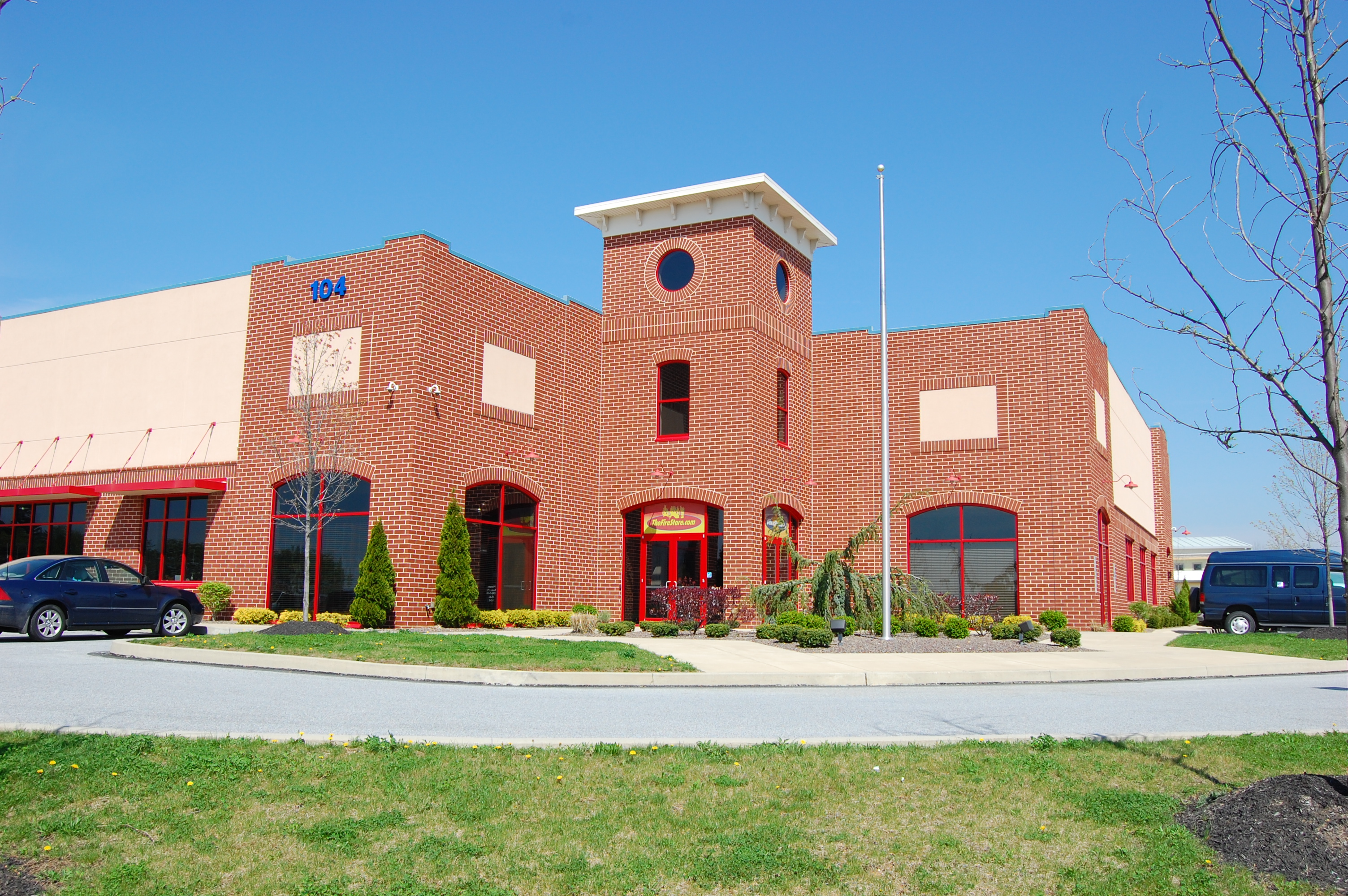
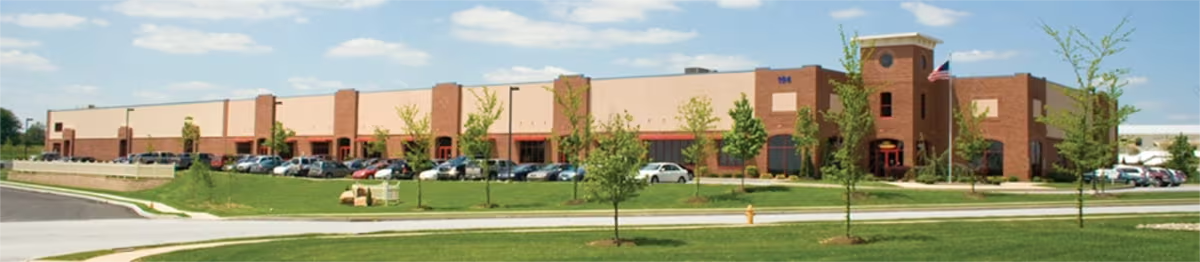
To mitigate that risk, the building was designed with flexibility in mind. The warehouse could be divided into three 6,000-square-foot bays, with front-facing office space that could be leased to accountants, attorneys, or other tenants. If the business didn’t grow into the space quickly enough, the rental income would help carry the load.
But that plan didn’t last long.
As inventory began arriving from multiple off-site locations and was centralized for the first time, the scale of the operation became clear. What had been scattered across garages, trailers, and storage units now filled the building.
Jim looked at it and came to a simple conclusion: they were going to need all of the space.
That meant the rental plan was out.
So he pivoted.
Around that same time, the company had developed one of the industry’s first online customization tools—Build It. See It. Buy It. (BISIBI)—which allowed fire departments to design their own badges. Jim believed it would take off. His answer to the risk was straightforward: they wouldn’t rely on tenants to pay for the building. They would sell badges.
As James remembers it, that became the new plan—sell enough badges, and the building would take care of itself.
It marked the shift from managing risk to betting on growth.
JOHN MAJOR AND THE START OF OUTSIDE SALES (2004)
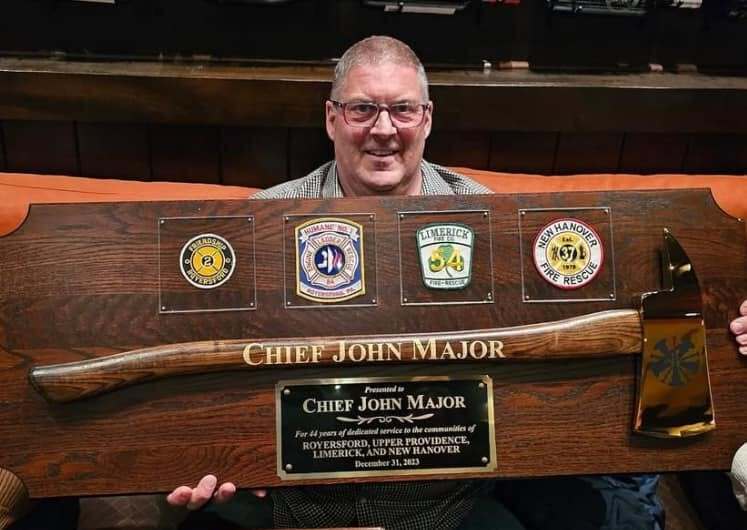
Even before the move to Coatesville, another foundational shift had begun.
John Major, seasoned in fire equipment sales since 1991, approached Jim about building an outside sales division. John knew the territory. He knew MSA, Cutters Edge, Amkus, Paratech, Tempest. He knew the chiefs.
He came with a business plan for building revenue through a traditional outside sales team.
Jim listened, asked a few questions, and then asked the one that mattered: “Do you think this will work?”
John said yes. Jim replied, “When can you start?” And that’s how it started.
In March of 2004, John, his administrative assistant, and a service technician joined the company and launched the outside sales division. One early milestone was an order for 35 MSA Thermal Imaging Cameras for the City of Philadelphia.
The division grew quickly. John’s son Ryan joined. Jay Abel joined. The line card expanded, and so did their list of customers.
John held a standard that still matters: Firefighter safety comes first, above anything else.
Today, he works with chiefs whose fathers were chiefs when he first started calling on their departments. That kind of continuity comes from decades of earned trust.
THE FIRST MAJOR STEP INTO LAW ENFORCEMENT: PA POLICE SUPPLY (2005) → OFFICERSTORE
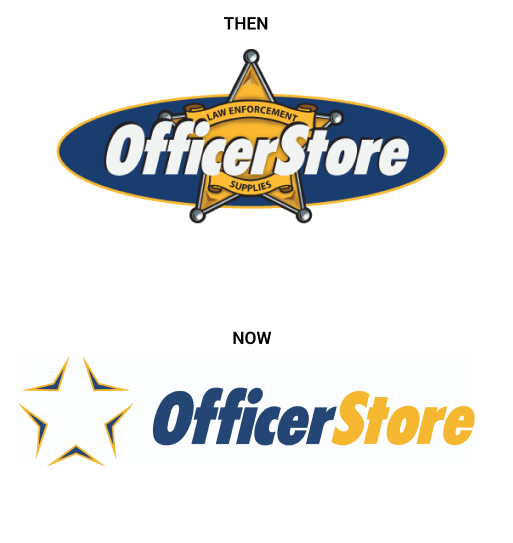
If 2004 marked the beginning of outside fire sales, 2005 brought another major shift: law enforcement. But the first move actually came a year earlier, with the launch of OfficerStore.com.
OfficerStore launched in 2004 to coincide with Firehouse rolling out Officer.com. At first, it was little more than a law-enforcement-branded site stocked with products the company already sold. The assortment was thin, the market knowledge was still developing, and early sales were sparse.
The real acceleration came with PA Police Supply, located in western Pennsylvania. James recalls his father contacting Bill Watts, owner of PA Police Supply, to buy inventory for OfficerStore. Bill was headed to Philadelphia to visit his daughter and suggested they meet in person since Coatesville was on the way. Bill and Jim hit it off immediately. Jim described his vision of company growth to Bill, and the passion in Jim’s voice resonated. Bill had a similar goal of growing PA Police Supply, but lacked the family involvement and buy-in that Jim enjoyed. As their conversation progressed, the path forward became clear.
In September 2005, the Witmers purchased the company, and Bill Watts became the head of the LE Division. What began with a footprint in western Pennsylvania has since expanded to cover twelve states, from Maine to Virginia.
2007: MOUL ENTERPRISES AND MASON DIXON: THE INFLECTION POINT

If you ask people inside the company when the story truly changed—when we became unmistakably more than a website—2007 is the year that comes up.
That’s when Witmer acquired two respected, boots-on-the-ground regional dealers at the same time:Moul Enterprises in Abbottstown, Pennsylvania, and Mason Dixon Fire Equipment in Williamsport, Maryland.
These weren’t small additions. They were foundational moves.
The people who came with those companies were experienced, respected, deeply embedded in their regions—and most of them are still here today.
Overnight, our sales team expanded dramatically. The company shifted from being perceived as an online retailer to operating as a full-service regional dealer with a serious sales and service organization—at least to those in our area.
To understand that shift, you have to hear both sides of the story.
Moul Enterprises began in 1984.
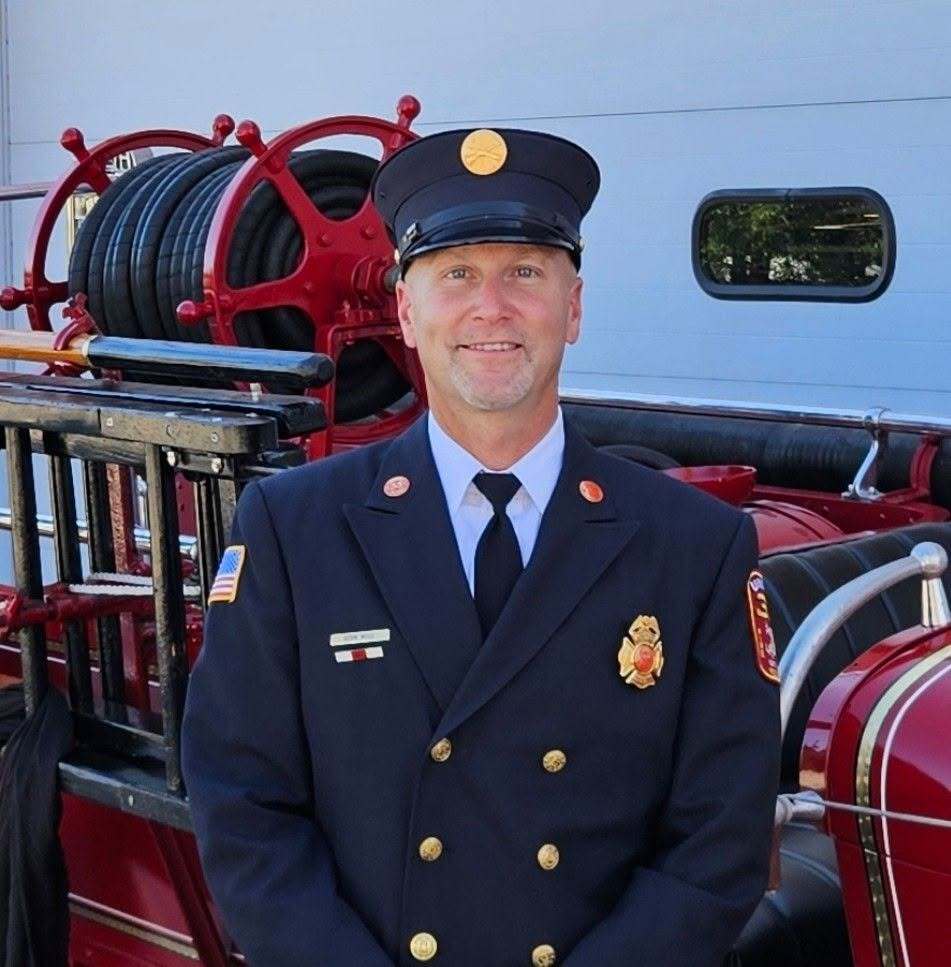
Harry Moul Jr., a lifelong firefighter and Chief in Abbottstown, was Vice President of Sales for Service Supply Company in York. Tucked into the back of that much larger business was a small fire equipment operation. Harry saw an opportunity, bought the fire equipment rights, left the security of his job, and started his own company out of a garage.
It was a substantial risk. Harry had a secure career and a family to support. But he believed enough in the opportunity to put that security behind him.
Within a few years, Moul Enterprises moved into a building on West King Street in Abbottstown. In June of 1987, Kevin Moul received his first paycheck from the company, working on the fire extinguisher truck—refilling extinguishers, servicing equipment, and learning the business from the service side up.
Then everything changed.
Harry developed ALS and died in October of 1989.
Kevin was 16 years old. There were three employees.
After Harry’s death, Kevin, his mother Arlene, the family accountant, and an attorney sat down to decide what came next. The attorney’s recommendation was straightforward: sell the business for whatever they could get and send Kevin to college.
Kevin had a different answer.
“I’d like to run it.”
The accountant looked at Arlene and said, in effect, there was her answer.
That decision became the spine of the Moul story.
The first years were anything but easy. Kevin and Arlene were trying to keep Harry’s business alive while Kevin was still learning how to run it. There were Fridays when Arlene moved money from her personal account into the company just so the other employees could be paid.
But the business survived.
Then it grew.
Kevin spent the next decade and a half building Moul Enterprises into one of the stronger independent fire equipment dealers in the region. Globe had been part of the business going all the way back to Harry’s original purchase from Service Supply. Over time, the product offering expanded, the sales organization grew, and service became an increasingly important part of what Moul Enterprises offered departments.
That service background is an important part of Kevin’s story. He had started by filling extinguishers as a teenager, and the company grew with the understanding that selling fire equipment and maintaining it were connected responsibilities.
When Moul became an MSA distributor in the early 2000s, that balance began to shift even further. SCBA sales and service were becoming a larger part of the operation. In 2005, with the company outgrowing its building and Kevin increasingly focused on the fire equipment and SCBA side, he sold off the extinguisher and hood-system portion of the business.
By the mid-2000s, the three-person company Kevin had inherited at sixteen had grown to more than thirty employees. It had an experienced outside sales team, established manufacturer relationships, a meaningful service operation, and deep roots across Pennsylvania.
And Kevin had reached another decision point.
Continuing to grow independently would require another significant round of investment. The other option was to find a way to combine what Moul had built with something larger.
When asked today what he is most proud of after all those years, Kevin doesn’t point to the size of the company, the sales team, or the business he eventually helped build with Witmer.
He points back to where it began.
“My father.”
Harry Moul and Jim Witmer never met. But Kevin sees a similarity between them: two entrepreneurs willing to leave secure jobs, put their own money at risk, and bet on something they believed they could build.
That shared instinct would matter when their stories eventually came together.
Before Mason Dixon Fire Equipment joined Witmer, Kevin Greenlee was already deeply embedded in the fire equipment world.
He was managing All Safe—overseeing operations, working directly with manufacturers, and running a serious regional distribution business. He understood margin, inventory, contracts, and the politics of manufacturer relationships. He had a front-row seat to how the fire equipment industry actually worked.
One of the more ironic threads in our story begins there.
When Jim Witmer approached Cairns in 1997 about selling helmets online, All Safe was one of the distributors Cairns directed him toward for complete helmets. Pete Coombs from Cairns called Greenlee and told him he needed to set up a new Pennsylvania dealer.
Greenlee’s reaction was predictable: “I don’t need another dealer.”
But Coons clarified—this one was different. This dealer wanted to sell helmets on the web.
Greenlee’s response was blunt:
“What the hell is the web?”
At that time, the internet wasn’t part of the fire equipment model. Sales were built on relationships, station visits, trade shows, and trust. The idea of selling fire equipment online sounded unusual—maybe even naïve.
Still, Greenlee set him up.
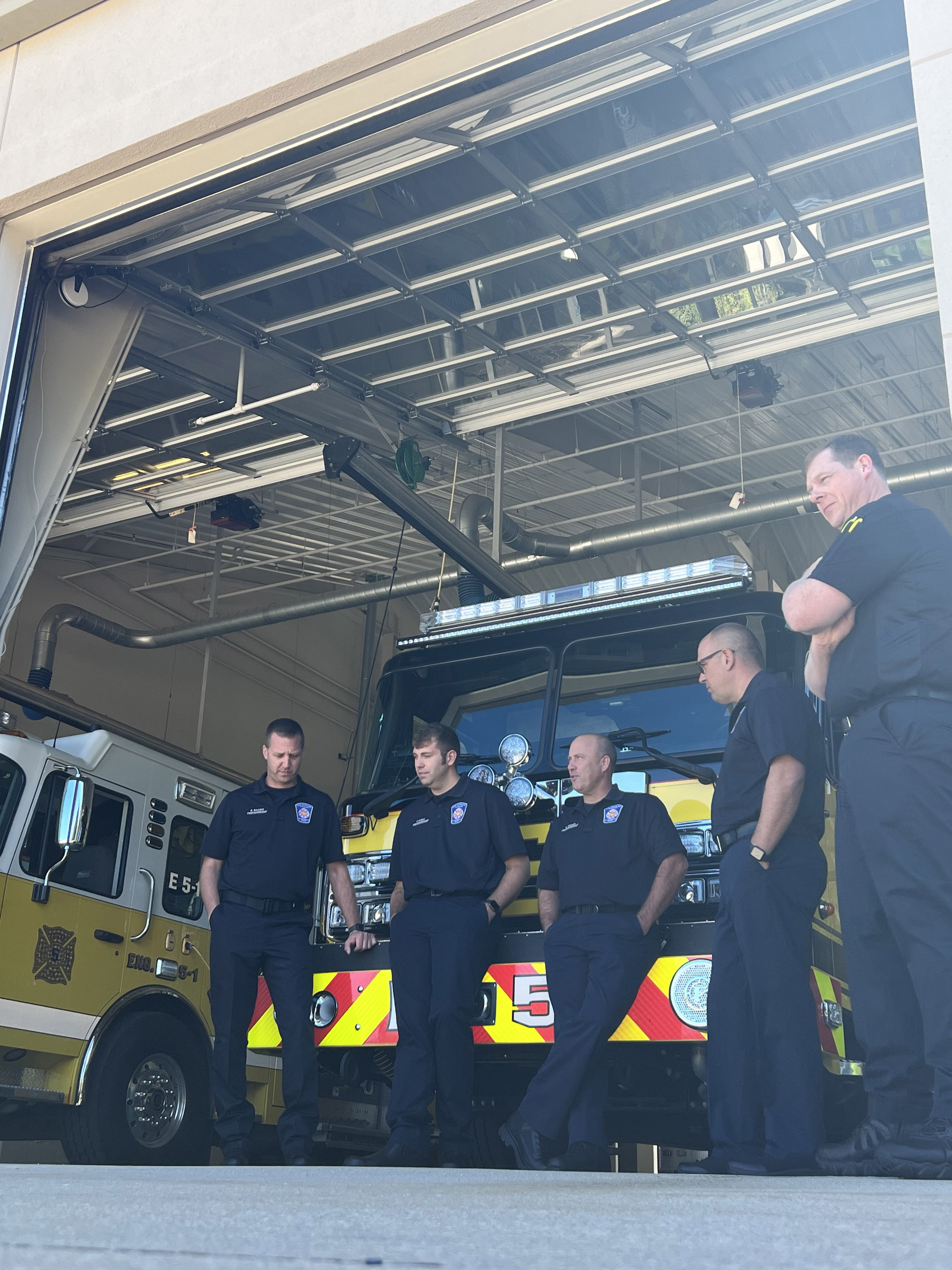
That moment mattered more than anyone realized at the time. Greenlee had already been in the fire service for roughly a decade by then—learning the industry from the inside, building the kind of customer relationships that can take a lifetime to develop. When he wholesaled those Cairns helmets to a small Pennsylvania company trying to sell fire gear on the internet, he didn’t know he was helping write the first chapter of a story he would eventually become central to.
That’s the thing about Greenlee’s career in the fire service: it has always been about the customer first. Every order urgent. Every relationship tended. Every call answered. It wasn’t a sales technique—it was just how he operated. By the time Mason Dixon joined Witmer in 2007, Kevin had been doing it that way for more than twenty years. He would go on to do it for twenty more.
For a few more years, he continued managing All Safe. Then the industry began to consolidate. All Safe was acquired and folded into a much larger corporate structure. With that shift came layers of management and decision-makers further removed from the fire service. Greenlee had been promised a future, but as the transition unfolded, it became clear the business was becoming something different.
He stayed for about six months.
Then he left—not out of anger, but conviction. If the business was going to change that dramatically, he would rather build something of his own.
Around 2001, he launched Mason Dixon Fire Equipment.
The name reflected geography and identity. Maryland was the line. That was the territory. That was the focus. Mason Dixon wasn’t trying to be national. It was trying to be strong, disciplined, and trusted within its region.
From the beginning, the model was straightforward: relationships first.
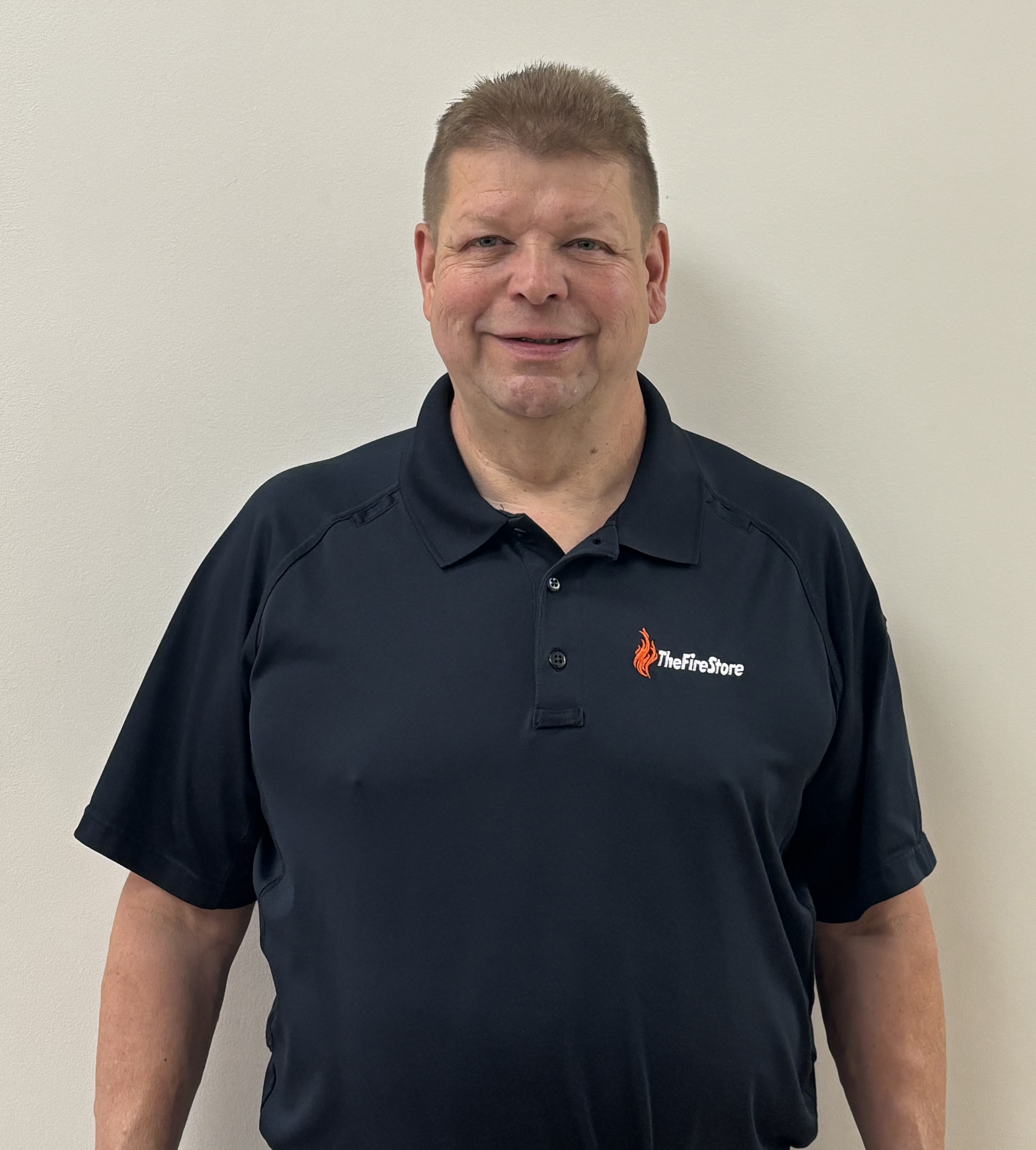
Greenlee and JR Phillips divided territory and drove. They were in the stations, at banquets, at graduation parties. If a department needed foam late at night before a burn, they delivered it. If someone was in the hospital, they visited. If a department called, they answered.
By the mid-2000s, Mason Dixon was no longer a startup. It was a legitimate regional force in Maryland and surrounding areas, carrying major product lines and competing hard.
At the Harrisburg Expo, there were booths that mattered in the Mid-Atlantic market: Moul Enterprises, Mason Dixon, and TheFireStore. And there was real competition.
Kevin Moul remembers it clearly:
“There was no love lost.”
Moul and Mason Dixon pushed each other. They bid against each other. They pursued the same conversions and contracts. It was competitive, but it sharpened everyone. At times, they even explored acquiring one another, but the math never quite worked.
Meanwhile, the industry was shifting again.
SCBA platforms were becoming more complex. Service requirements were increasing. Departments were evaluating not just purchase price, but long-term support and infrastructure. Witmer had built a growing warehouse operation and strong marketing engine, but boots on the ground were still limited.
It was becoming clear: scale would matter.
James remembers another wrinkle in that story: rumors of a deal circulated through the industry before anything was actually in motion. In a business that still runs on rumor, the talk itself may have helped turn possibility into reality.
When John Major suggested that Jim contact Kevin Moul about joining forces, the timing was right. Kevin had reached the point where continuing to grow Moul Enterprises independently would require another major investment, and he could see the potential in combining his sales and service organization with what Witmer was building.
But Kevin believed there was another piece that would make the combination considerably stronger. If Moul was going to join Witmer, he wanted Kevin Greenlee and Mason Dixon at the table too. There was little sense in continuing to battle one another across neighboring territories when their combined experience, manufacturer relationships, sales teams and service capabilities could be brought together.
That is how what began as a conversation with Moul became the double acquisition of 2007. Three strong regional competitors became one coordinated Mid-Atlantic force.
WHAT THE 2007 ACQUISITIONS REALLY DID

In 2007, we didn’t just acquire two businesses. We brought on their teams—experienced, respected, deeply local sales professionals—and built a first-class sales and service operation across the Mid-Atlantic.
Ann Collins remembers the integration as one of the hardest chapters the company ever navigated. Combining inventories, part numbers, purchasing habits, service models, and customer expectations into a unified structure was complex and demanding.
But the payoff was enormous.
As Greenlee later put it, once Mason Dixon and Moul joined, outside sales grew to the point that the business flipped—sales and service becoming larger than e-commerce.
We started online. We didn’t stay exclusively online.
2009: A MOMENT OF NATIONAL RECOGNITION

By 2009, the growth had become visible beyond our region.
Jim Witmer won the Ernst & Young Entrepreneur of the Year award for the Philadelphia region and advanced as a national finalist.
The recognition matters not as a brag, but as a marker. The company that once operated out of a former liquor store—with inventory scattered across eight locations — was now being recognized on a national stage.
SERVICE: STANDING BEHIND THE AIR
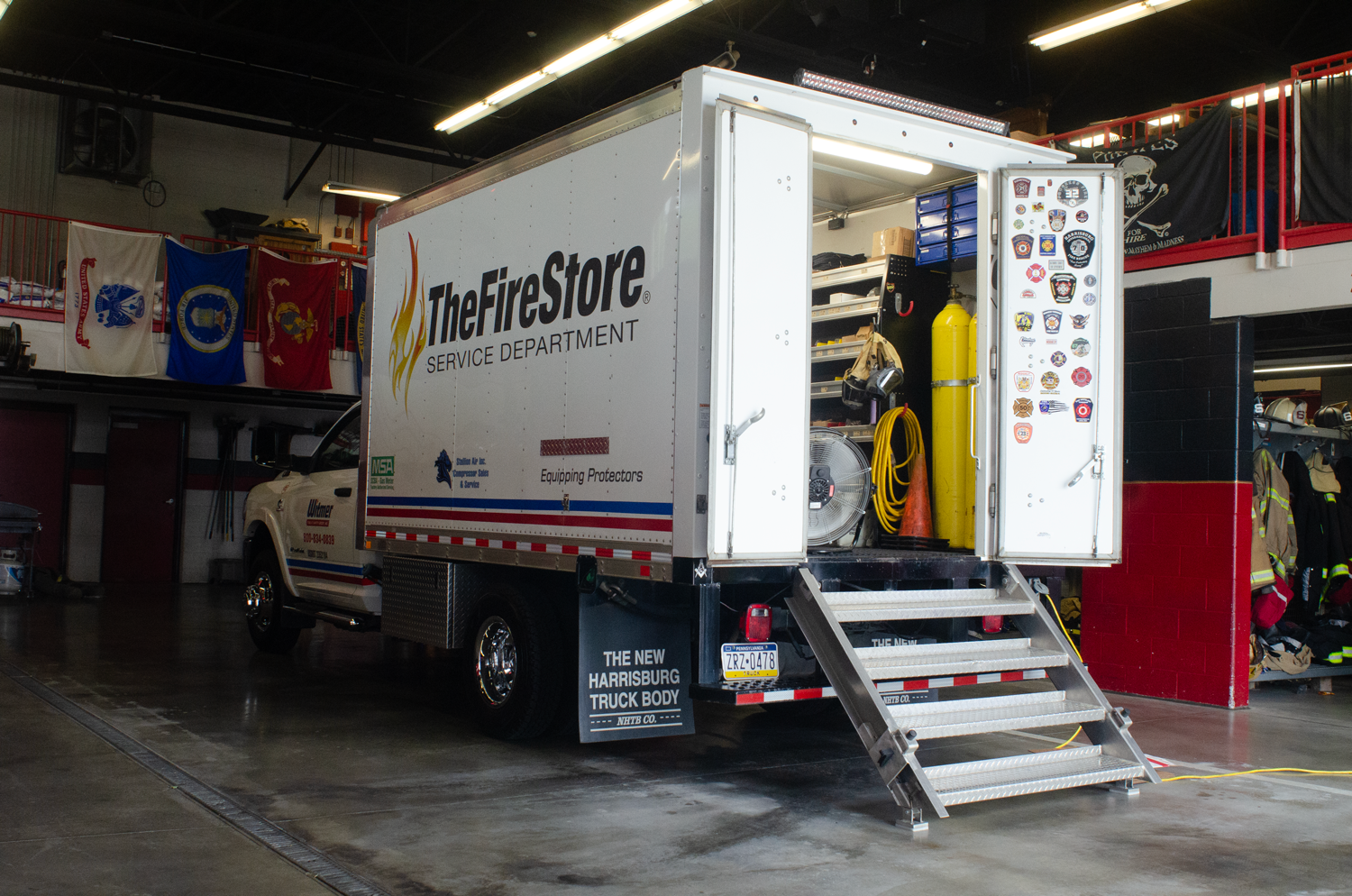
As SCBA sales increased, another truth became unavoidable: service infrastructure had to keep pace.
After a PA Fire Expo in Harrisburg, over dinner and a conversation at the bar, the team confronted a simple reality:
If you’re going to sell life-support equipment, you have to stand behind it for the life of the product.
Service did not begin in 2014. The company had already been doing SCBA service in the John Major era, and the Moul acquisition brought additional service capability with it.
James’ recollection is that the real expansion and professionalization of service took shape under Jay Fetterolf around 2009. That was the point when service stopped being a necessary support function and began developing into a true operating strength.
From there, the footprint grew deliberately—across Pennsylvania, then into Delaware, New Jersey, Virginia, parts of West Virginia, and Maryland. Joe Yahnke would later help carry that growth forward, but the roots of the modern service organization reach back earlier than the original draft reflected.
Today, the service team operates with the understanding that one SCBA sale creates years of responsibility. Sales and service aren’t separate. They’re one promise.
The trucks evolved from basic service vehicles into what Joe later described as workshops on wheels—better tools, broader technical capability, and greater consistency in the field.
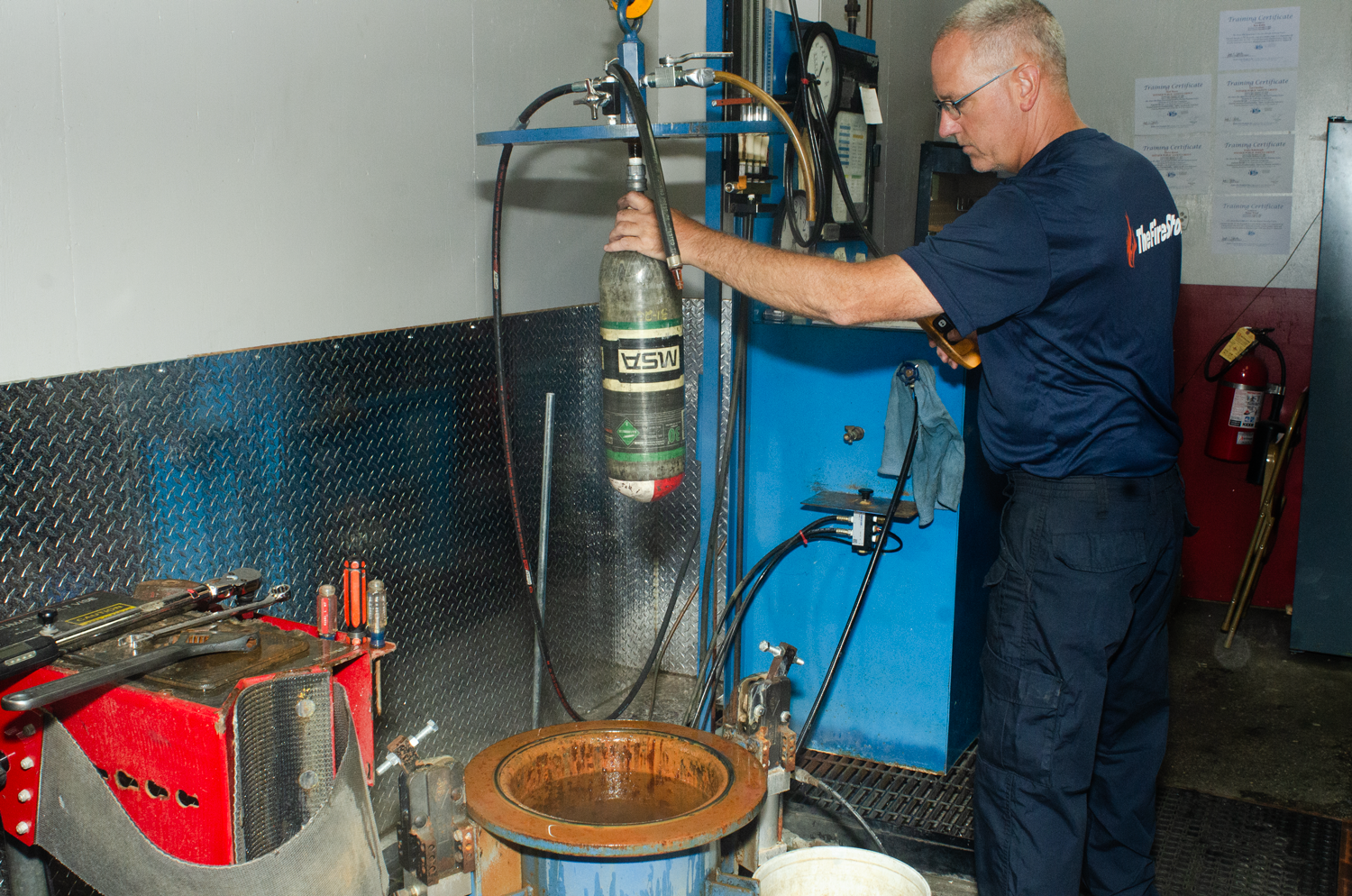
Hydrostatic testing became another inflection point. During COVID, many smaller hydro operations closed. Witmer expanded. Today, the hydro operation supports departments, major oxygen companies, and military bases. Some days technicians drive twelve hours just to pick up cylinders.
The next phase—hypersonic X-ray capability—is about expanding capacity and improving turnaround time.
The standard is firefighter-familiar: leave the packs looking better than when you walked in. Blow the dust off. Fix the small things. Tighten what should be tight. Grease what should be greased. No drama. Just do it right.
Because if service slips, firefighter safety slips. That’s not acceptable.
2014–2015: VIRGINIA EXPANDS AND THE G1 MOMENT
In 2014, Witmer acquired Heroes Apparel in Richmond, Virginia.
Heroes was founded through Glenn Shaw’s influence and built into a strong regional player. Paul Hartsoe describes it as a ground-up build: six months operating out of Glenn’s home, then a storefront to secure uniform contracts, then landing Richmond Fire three months after opening, and growing into a team serving more than 450 agencies.
Heroes had good people, a sound market strategy, and real traction in the Richmond area. But the business was operating with very little margin for error. Joining Witmer improved its pricing position, expanded what the team could offer, and strengthened the Virginia footprint.
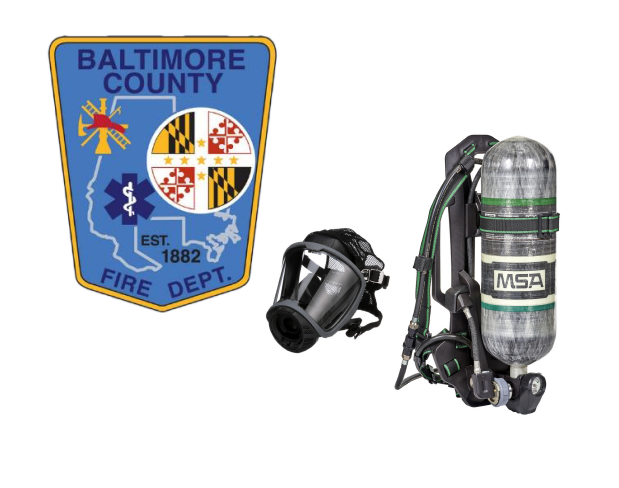
In 2015, the company secured a landmark contract: Baltimore County’s conversion to the MSA G1 SCBA. The contract signaled something significant in the Mid-Atlantic fire market—but so did the G1 itself. Its launch represented a real shift in the industry, elevating MSA as a more serious competitive force against Scott and becoming a major driver of Witmer’s success over the decade that followed.
The Baltimore County award showed what Witmer had become capable of delivering at scale: sales strength, manufacturer partnership, and service support working together in one coordinated effort. John Major’s contribution to the G1 story also ran deeper than the contract itself, extending into the product’s development and positioning.
2016: JAMES BECOMES CEO

In the summer of 2011, Jim Witmer was diagnosed with early-onset Alzheimer’s. In January 2012, the company shared that reality internally.
From that point forward, James increasingly acted as the de facto leader of the business, helping the organization navigate a difficult transition while Jim remained involved. In February 2016, Jim formally elevated James to CEO.
James had joined the company in 2003 and worked through multiple roles—Marketing Manager, Special Projects Manager, Director of Business Development, and VP of Sales.
THE NEXT PHASE: EXPANDING THE CAMPUS
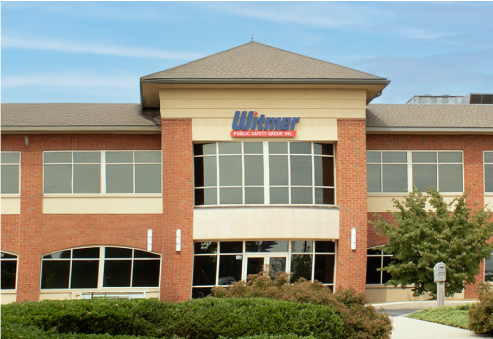
By the time James stepped into the CEO role, the business had outgrown more than just its original space.
What began as a warehouse and office designed to bring everything under one roof had evolved into something far more complex—multiple sales channels, a growing service operation, expanded product lines, and a team that no longer fit neatly into the space that once felt expansive.
104 Independence Way had been built to bring the business together. Over time, the growth that followed began to stretch it again.
Teams were working around each other. Space was tight. As new functions were added, the building wasn’t set up to support how the business now operated.
The move to 101 Independence Way wasn’t just about adding square footage. It was about creating the space the business needed to operate the right way.
He also recognized the opportunity to secure the property under favorable terms—an important move that made the expansion possible.
The expansion created space for sales, marketing, product management, and support teams to work with greater focus and clarity. It improved communication. It made it easier to support continued growth without the friction that comes from being stretched too thin.
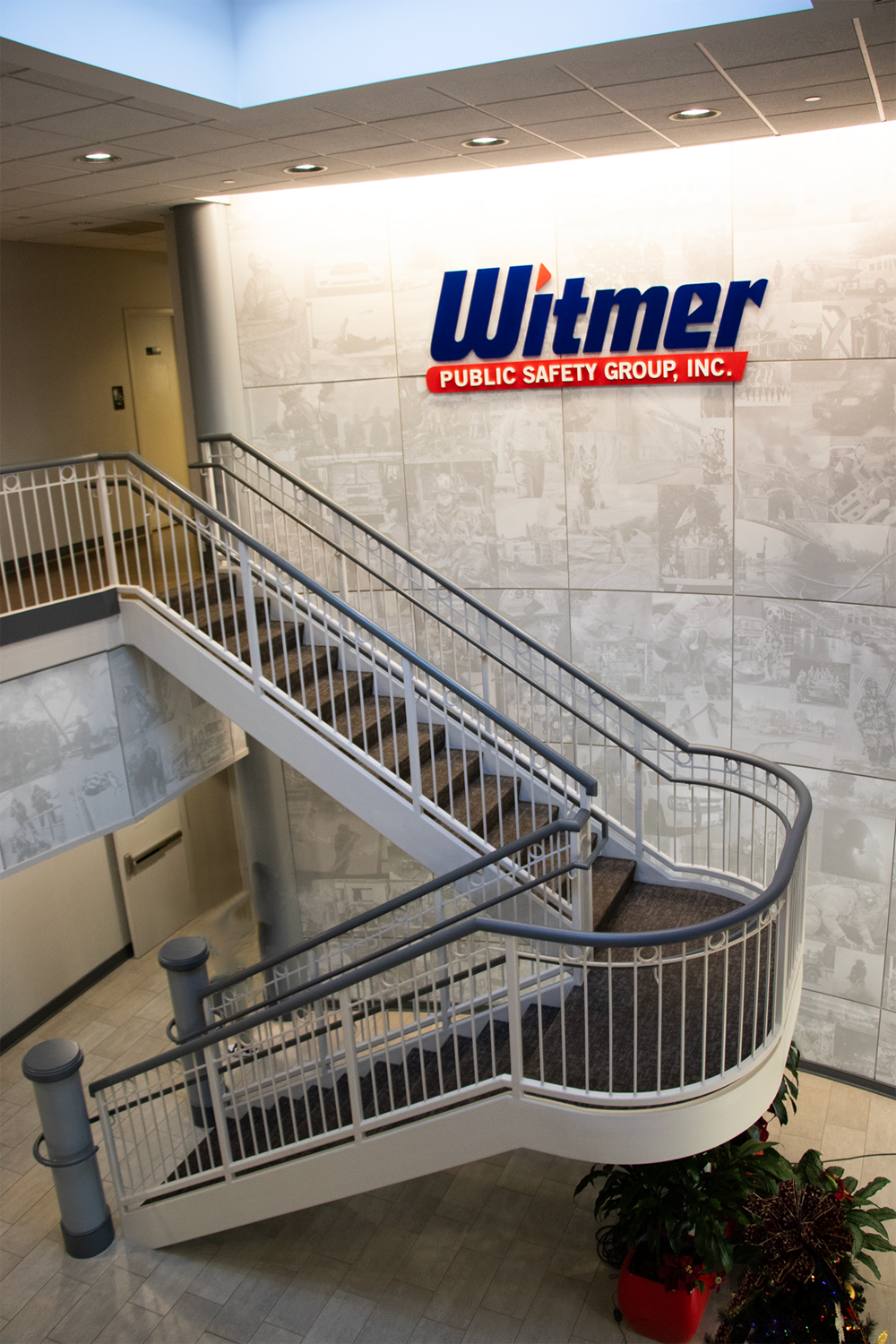
James was equally focused on how the space would function day to day—how teams would work, collaborate, and move through it. The interior wasn’t an afterthought. It was part of the plan.
But the underlying drive was familiar.
Like his father, James wasn’t interested in settling for what existed. He saw what the business was becoming and made the decision to build toward it.
The difference was in how he got there.
Jim had built 104 with a vision in his head and the conviction to make it real. James built the next phase by organizing that vision into something that could scale.
Same foundation. Same belief in the business. Just expressed in a different way.
ELIZACO: WESTERN NEW YORK AND CONTINUITY OF TRUST
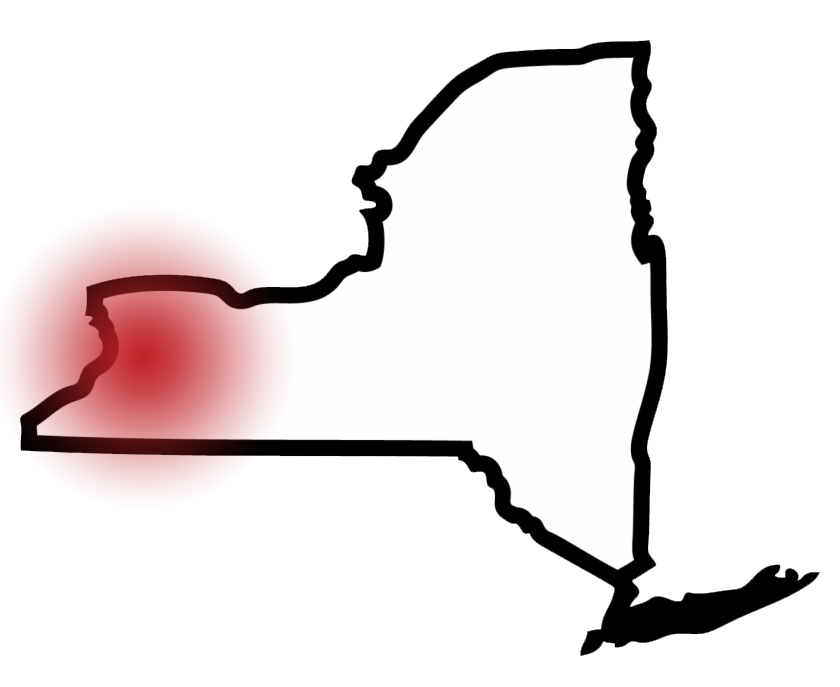
In 2022, Witmer acquired ElizaCo in Hamburg, New York, expanding into Western New York.
ElizaCo was founded in 2002 by Elizabeth Shoemaker. Elizabeth came from a family deeply rooted in the apparatus and service side of the fire business, but she built ElizaCo independently—her own operation, her own standards, her own reputation.
Brian Horwood joined at the very beginning. For a long time, it was essentially a two-person operation. Over time, the team expanded to include additional support and independent reps covering a wide territory.
Turnout gear formed the backbone of the business. Vendor relationships evolved over time—starting with Globe, later adding Mercedes hose, then Morning Pride, and eventually Lion.
Brian describes Elizabeth as tough and strict—and he says it with respect. Customer service came first. Always.
When Elizabeth decided to retire, the sales team understandably wondered who the buyer would be. Competitors with established footprints were possibilities, and there was anxiety.
When they learned it was Witmer, the reaction was relief—not because they wanted “corporate,” but because the name carried the right reputation: strong infrastructure without sacrificing relationships.
The team remained intact. The relationships remained intact. What changed was the support behind the scenes—vendor leverage, expanded product offerings, deeper back-office capability, and more tools to serve departments well.
That pattern mirrors earlier chapters: preserve local trust, strengthen what stands behind it.
2023: SUSQUEHANNA AND A STRONGER CENTRAL PENNSYLVANIA FOOTPRINT
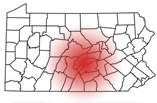
In November 2023, Witmer acquired the fire equipment division of Susquehanna Fire Equipment Company.
It was not the most dramatic chapter in the company’s history, but it mattered. The move added people, inventory, and service support—and it further consolidated Witmer’s foothold in Central Pennsylvania.
Like a number of earlier moves, it was also about competitive position: strengthening the territory and reducing fragmentation in a market where service, SCBA support, and local trust still matter.
3 RIVERS FIRE EQUIPMENT: STRENGTHENING THE WESTERN FRONT
By 2026, the company’s growth had become more intentional. Expansion was no longer just about adding product lines or increasing reach—it was about strengthening presence in key regions with the right people and capabilities on the ground.
That thinking led to the acquisition of 3 Rivers Fire Equipment Company.
Based in Turtle Creek, Pennsylvania, 3 Rivers had built a strong reputation as a full-service regional dealer. The business was known for its hands-on approach—particularly in turnout gear sizing, hydrostatic testing, compressor service, and water flow—along with a well-rounded product offering that spanned helmets, boots, gloves, hoods, lighting, hose, nozzles, and other fireground equipment.
Just as important as the product mix were the relationships. 3 Rivers had earned trust across Western Pennsylvania by staying close to the departments it served.
That was the real value.
For Witmer Public Safety Group, the acquisition wasn’t just about geography—it was about adding depth. It extended the company’s reach into Western Pennsylvania while reinforcing its commitment to service, technical expertise, and local support.
Ted Czekaj, owner of 3 Rivers, became a central part of that effort. His experience and relationships in the region helped align the combined sales organization and strengthen the company’s presence in a market where credibility is earned over time.
The integration followed a familiar approach. 3 Rivers became part of the Fire division, supported by the regional sales team operating under TheFireStore brand. Customers gained access to a broader product assortment, expanded service capabilities, and a larger support infrastructure—while continuing to work with the same people they trusted.
The goal was to strengthen and expand what 3 Rivers had already built.
The acquisition reflected a broader shift in strategy: expanding reach while deepening expertise in core categories like turnout gear and firefighter PPE, and doing it in a way that preserved the local relationships that made those businesses successful in the first place.
A NOTE ON THE PEOPLE WHO BUILT THIS
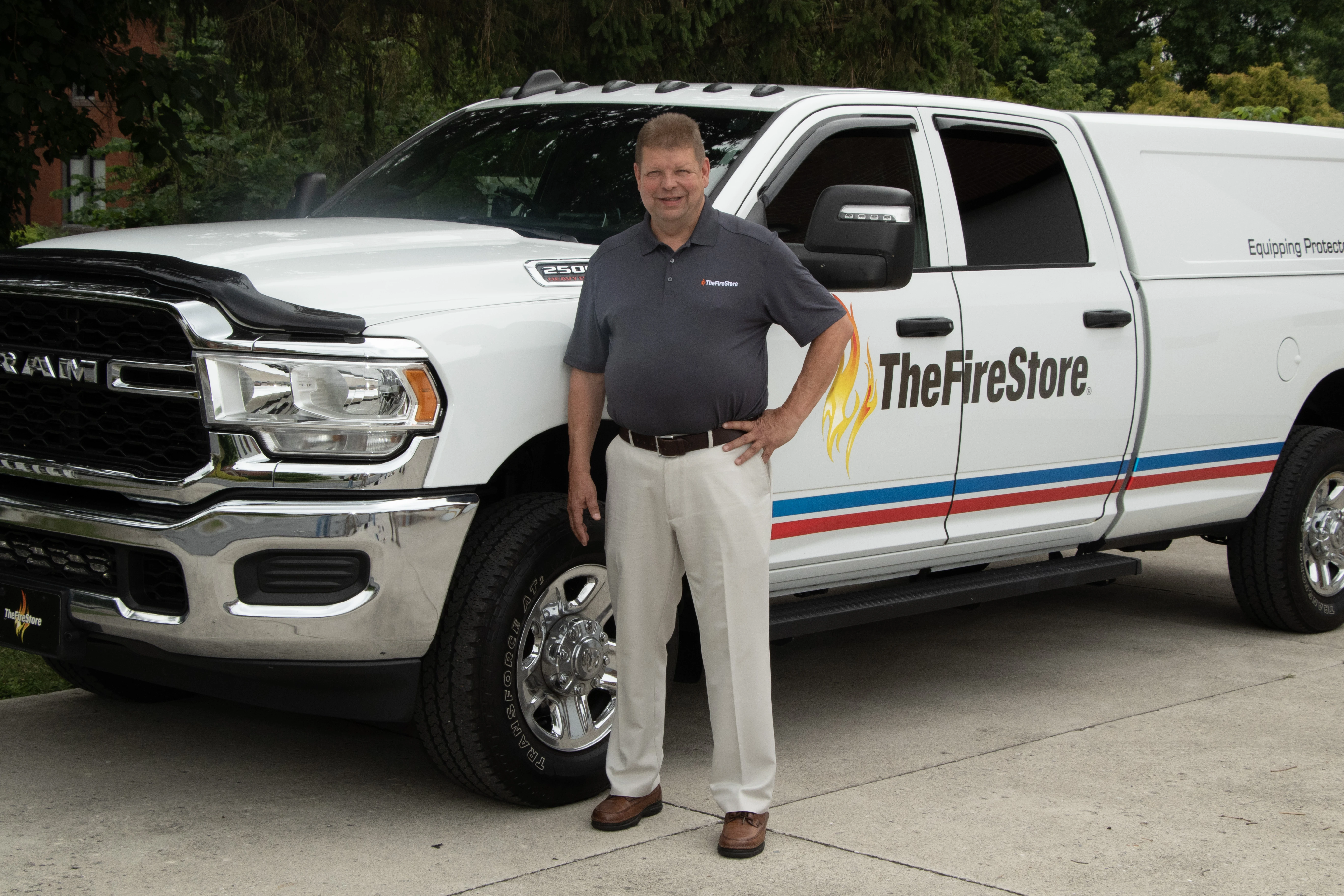
Stories like this one are built by specific people. Not just founders and deals and acquisitions, but the individuals who showed up every day, covered the territory, answered the calls, and made customers feel like the relationship mattered beyond the transaction. One of those people is Kevin Greenlee.
Kevin’s connection to this organization goes back further than most people realize. Long before Mason Dixon joined Witmer in 2007, he was the man at All Safe who wholesaled Cairns helmets to a small Pennsylvania company trying to sell fire equipment on the internet—a company that didn’t yet have a direct relationship with the manufacturer. He was skeptical. He set them up anyway. That decision helped TheFireStore become what it became.
When Mason Dixon officially joined the organization in the summer of 2007, Kevin brought with him not just a territory and a customer list, but a standard of service that became part of who we are. He visited stations, attended graduations, delivered foam late at night before burns. He knew his customers by name—knew what they needed and when they needed it—because he genuinely cared about them, not just their business. The joke inside the organization was that every order was an emergency for Kevin. The truth behind the joke was that he treated it that way because he knew exactly why it mattered to the person on the other end of the phone.
In the summer of 2026, after 44 years in the fire service and 19 years as part of this organization, Kevin Greenlee retired. He was 62 years old and had made up his mind for the right reasons: his wife Kendra had put up with the road for more than three decades, and family came first. That’s the same value system that built Mason Dixon, and the same one that Witmer has tried to honor.
He is a true master of the cold call. He left an indelible mark on how we do business. And the departments he served for 44 years are better for having had him.
THE TEAM CARRIES IT FORWARD
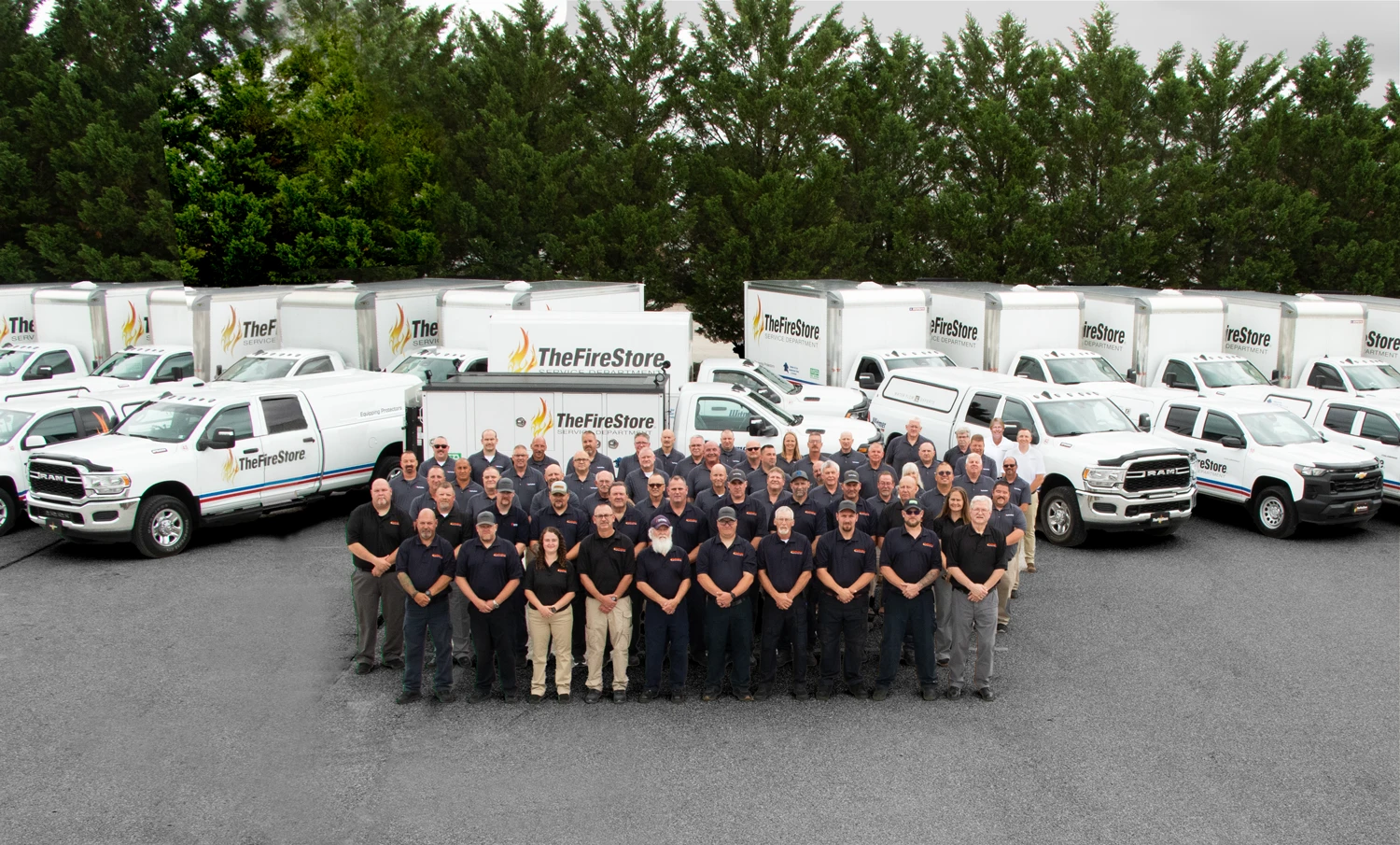
Kevin's retirement closes one chapter. It doesn't close the story.
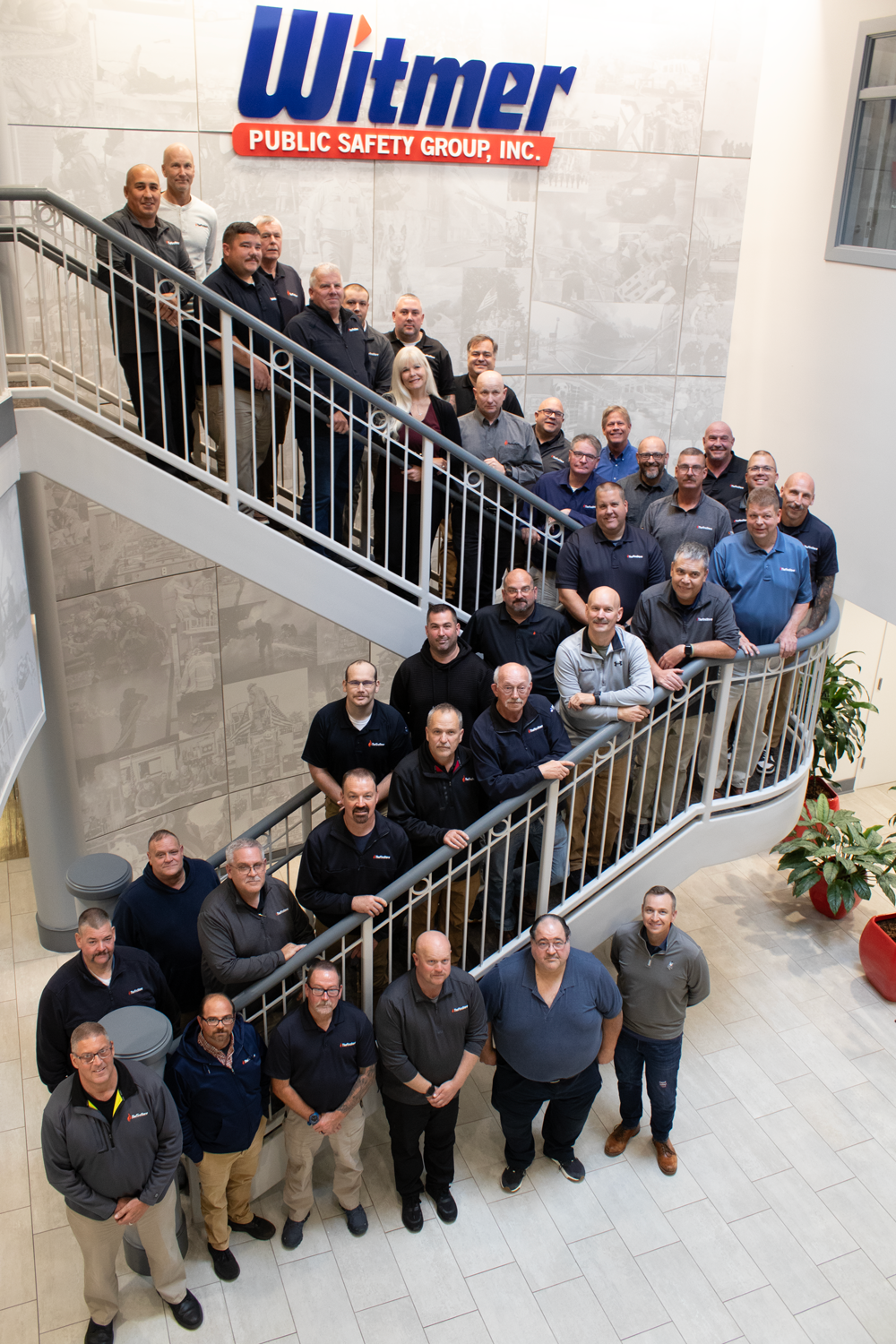
The sales and service organization he helped build is larger today than at any point in our history. Across the Mid-Atlantic and Northeast, our people are still doing the work John Major, Kevin Moul, Kevin Greenlee and so many others established decades ago: knowing the territory, knowing the equipment, answering the phone and showing up when a department needs help.
Some of the names have been part of this story for decades. Kevin Moul, who first climbed into a service truck as a teenager in 1987, remains one of the leaders of our fire sales organization nearly forty years later. Tara Bowland has helped build the next generation of sales leadership and expand our reach throughout Virginia. Ted Czekaj, who joined us through 3 Rivers Fire Equipment, carries the same locally built, relationship-first model into Western Pennsylvania. And the person who succeeds Kevin Greenlee will inherit more than a territory. They'll inherit relationships built over forty-four years and the responsibility to earn the next forty.
TheFireStore.com may still be the name most people recognize. But behind the website is this team—salespeople, service technicians and specialists spread across the region, backed by the infrastructure that has been built piece by piece since Jim and Greg first started selling gear racks.
WHAT WE ARE TODAY: THE POINT OF THIS STORY
If someone only knows us as TheFireStore.com, we understand why.
That’s where many people first met us.
But this story makes something clear:
We are more than a website.
We are a multi-channel sales and service organization built through decades of relationships, built through regional teams, built through acquisitions that brought the best people in the business into one coordinated operation, and built through service capability that stands behind the gear long after it’s delivered.
Online mattered. It was early. It was different. It opened the door. And it still matters today.
But the heart of the company has always been the same: relationships, service, integrity, and respect for the work first responders do.
The website is the front door. The story is everything behind it.